Entry and visas
Tochigi has no international airport; you enter Japan through Tokyo (Narita or Haneda) or another gateway. Citizens of many countries can visit Japan visa-free for short tourist stays, while others need a visa in advance — rules change, so check with a Japanese embassy or the Ministry of Foreign Affairs before booking.
Money and costs
The currency is the yen. Cards and IC transit cards (Suica, PASMO) are accepted at stations, hotels, chain shops and most attractions, but small restaurants, rural buses, shrine stalls and some ryokan extras are still cash-only. 7-Eleven and Japan Post ATMs take foreign cards.
Tochigi is cheaper than Tokyo for rooms and food. As a rough guide, a business hotel in Utsunomiya starts at around US$40–70 a night, while an onsen ryokan with dinner and breakfast typically runs from about US$120 to well over US$300 per person. The main sightseeing costs are transport and the Nikko shrine admissions.
Typical costs
| Item | Rough cost |
|---|---|
| Tobu limited express, Asakusa–Nikko (one way) | around ¥3,000–4,000 depending on train |
| Shinkansen, Tokyo–Utsunomiya (one way) | around ¥5,000 |
| Toshogu Shrine admission | around ¥1,600 |
| Bus, Nikko station–Chuzenji Onsen (one way) | around ¥1,300 |
| Plate of gyoza in Utsunomiya | around ¥300–400 |
| Set lunch (soba, yuba, ramen) | ¥1,000–2,000 |
Onsen etiquette
- Wash and rinse thoroughly at the showers before entering the bath.
- Baths are taken naked; swimsuits are not worn unless a facility says otherwise. Men and women bathe separately.
- Keep your small towel out of the water and tie up long hair.
- Tattoos are refused at some public baths. Ask first, or book a ryokan with a private (kashikiri) bath.
- Drink water and do not bathe straight after alcohol. Sulphur springs such as Nikko Yumoto and Nasu’s Shika-no-yu are strong: short soaks are best.
Shrine and temple manners
Bow lightly at the torii, rinse your hands at the water basin where one is in use, and keep to the sides of the approach. Photography is forbidden inside most halls at Toshogu, Rinno-ji and Taiyuin — look for the signs. Shoes come off wherever there are wooden floors or tatami.
Connectivity and language
Mobile coverage is good in towns and along the main roads, patchier on hiking trails in Oku-Nikko and Nasu. An eSIM or pocket Wi-Fi bought on arrival in Japan is the simplest option. Free Wi-Fi is available at the main stations and tourist information centres.
English signage is good in Nikko and at stations; elsewhere, menus and bus timetables may be Japanese only. A translation app with camera mode helps a great deal. The tourist information centre at Tobu-Nikko station has English-speaking staff.
Safety, health and nature
- Tochigi is very safe. The main risks are natural: icy paths in winter, summer heat on the plain, and sudden weather changes above 1,500 m.
- Asiatic black bears live in the Nikko and Nasu mountains. Carry a bear bell on quiet trails and heed local warnings.
- Wild monkeys around Nikko and the Irohazaka snatch food: do not feed them or carry plastic bags in the open.
- Mount Chausu in Nasu is an active volcano; check the volcanic alert level before hiking.
- Emergency numbers: 119 for ambulance and fire, 110 for police.
What to pack
Dress in layers. Lake Chuzenji is typically 5–8°C cooler than Nikko town and 8–10°C cooler than Tokyo. Bring comfortable shoes that slip on and off easily, a rain jacket from June to October, and proper winter clothing and footwear with grip from December to March. Ryokan provide yukata, towels and toiletries.
Accessibility
Nikko’s shrine precincts involve gravel, slopes and many stone steps; Toshogu’s inner shrine is reached by more than 200 steps. Wheelchair users can see much of the lower precinct with assistance. Kegon Falls’ lower viewing deck is reached by elevator, and the Senjogahara boardwalk is flat in parts. Newer trains and the Utsunomiya Lightline are step-free.
Food and drink
- Gyoza — Utsunomiya’s pan-fried, boiled or deep-fried dumplings, eaten by the plate.
- Yuba — delicate tofu skin, the signature of Nikko’s temple cuisine, served as sashimi, rolled and simmered, or in soba.
- Soba — buckwheat noodles are a staple around Nikko and the hill towns.
- Sano ramen — light soy broth with soft, uneven noodles traditionally rolled with a green bamboo pole.
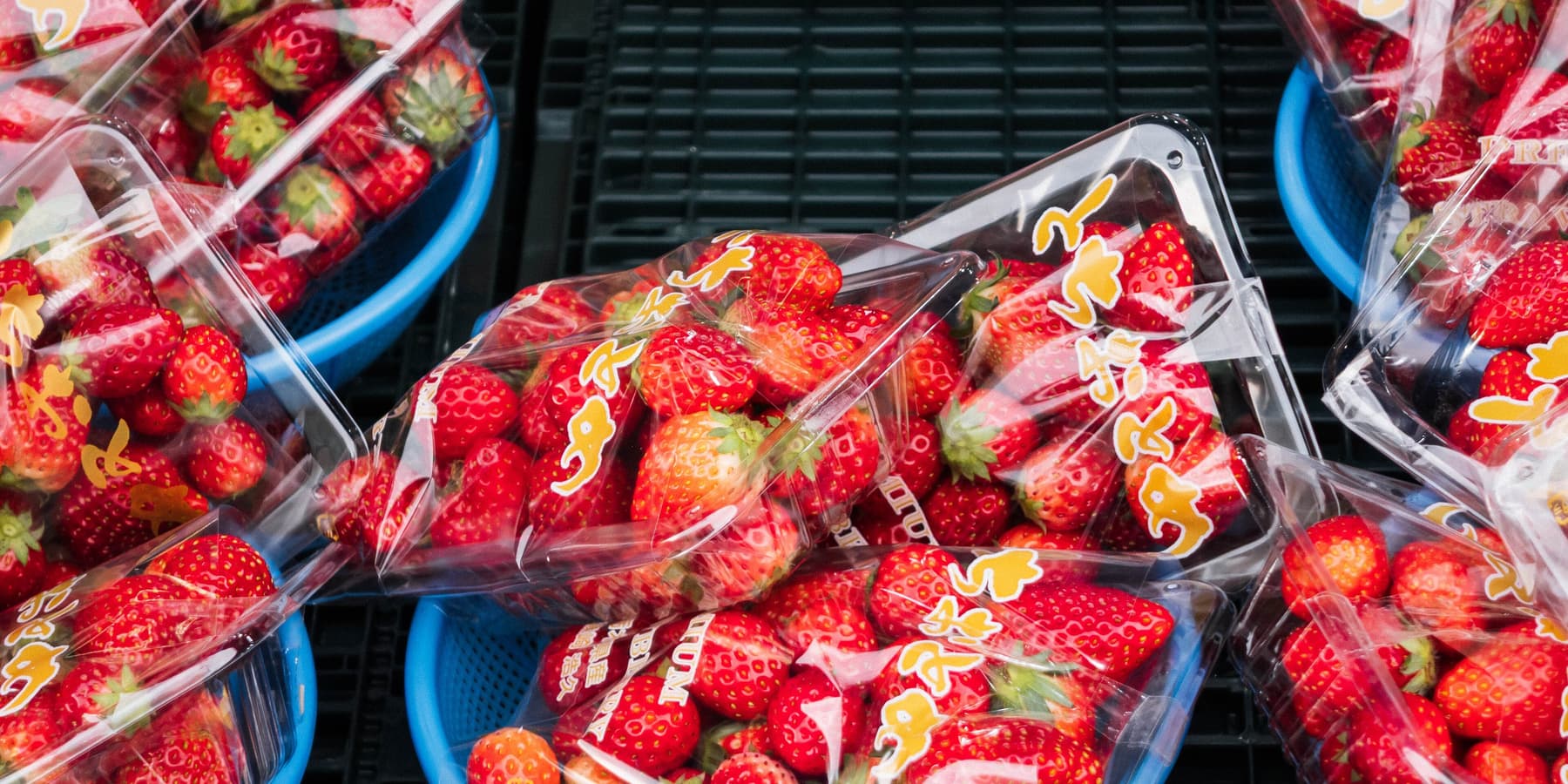
- Strawberries — Tochigi has led Japan’s strawberry production for decades. Tochiotome and the larger Skyberry are picked at farms from about December to May.
- Kanpyo — dried gourd strips used in sushi rolls; almost all of Japan’s supply comes from Tochigi.
- Dairy and beef — Nasu’s farms produce milk, cheese, soft-serve and Tochigi wagyu.
- Sake — soft mountain water supports dozens of small breweries, several of which offer tastings.
Frequently asked questions
Is Tochigi expensive?
Less so than Tokyo or Kyoto. Transport from Tokyo and a night in a good ryokan are the main costs; meals and city hotels are reasonable.
Can I get by without Japanese?
Yes in Nikko and at stations and larger hotels. In smaller towns English is limited, but people are patient and helpful, and a translation app covers most situations.
Are onsen suitable for people with tattoos?
Policies vary. Some public baths refuse visible tattoos; many ryokan offer private baths that can be reserved, which avoids the issue.
Is tap water safe to drink?
Yes, everywhere in Tochigi.