The short version
- Nikko, Kinugawa, Tochigi City: Tobu Railway limited express from Asakusa (or the JR–Tobu direct train from Shinjuku).
- Utsunomiya, Nasu, Shiobara: Tohoku Shinkansen from Tokyo or Ueno.
- Ashikaga and Sano: Tobu’s Ryomo limited express from Asakusa, or shinkansen to Oyama and the JR Ryomo Line.
- Mashiko, Moka, Motegi: bus from Utsunomiya or the Moka Railway from Shimodate; a car is easiest.
From Tokyo by Tobu Railway
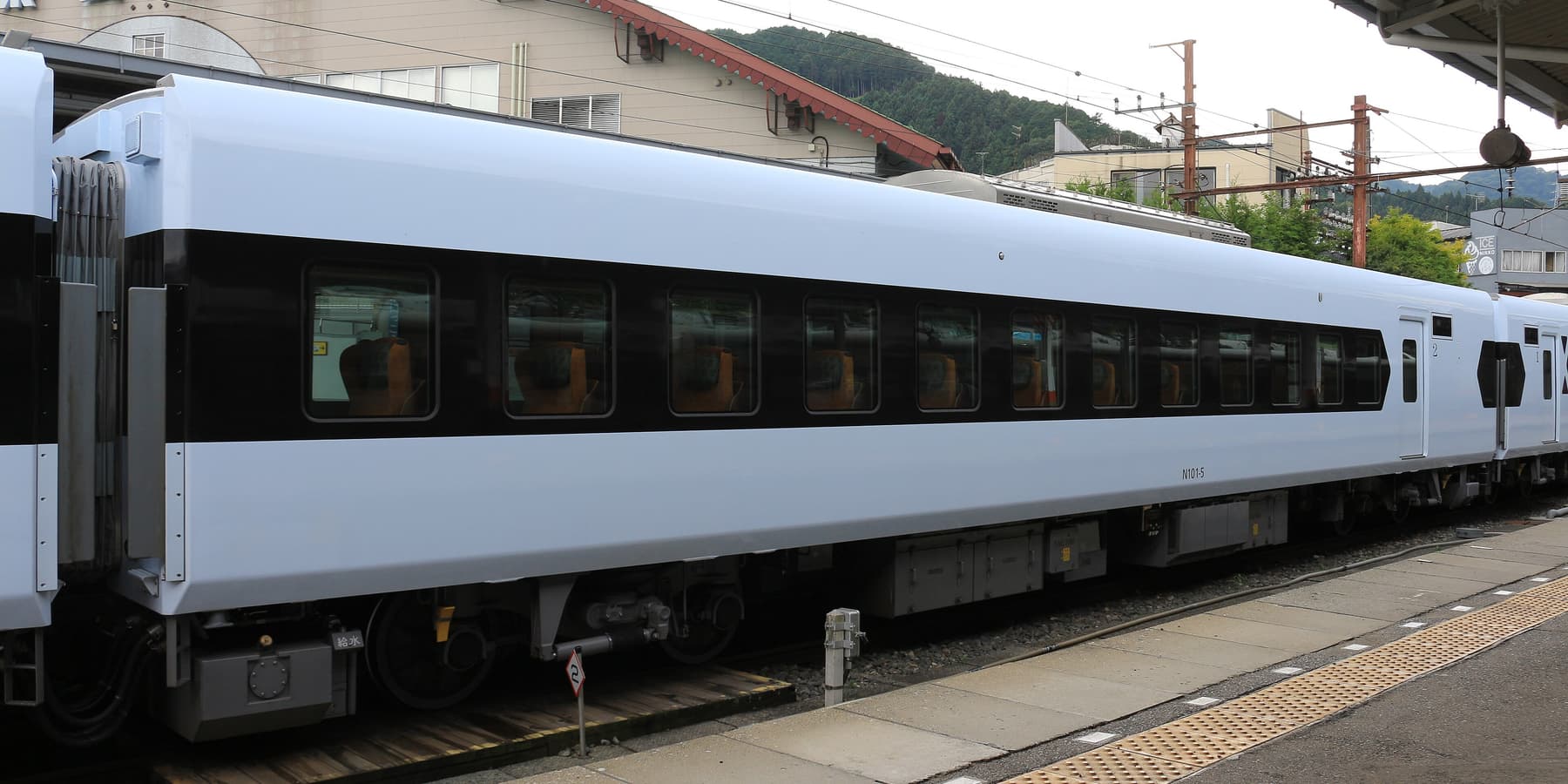
Tobu’s limited expresses leave from Asakusa (also stopping at Tokyo Skytree and Kita-Senju) and run direct to Tobu-Nikko in about 1 hr 50 min and to Kinugawa-Onsen in about 2 hr. The flagship is Spacia X, introduced in July 2023, with a café counter, lounge-style cars and private compartments; older Spacia and Revaty trains run the remaining services. All seats are reserved, and a limited-express surcharge is added to the base fare.
From Shinjuku, a few JR–Tobu through limited expresses a day run via Ikebukuro and Omiya to Tobu-Nikko and Kinugawa-Onsen in about two hours, which is convenient if you are staying on the west side of Tokyo.
Ordinary Tobu trains are cheaper but need a change or two (typically at Minami-Kurihashi and Shimo-Imaichi) and take around 2 hr 30 min to 3 hr.
From Tokyo by JR
The Tohoku Shinkansen runs from Tokyo and Ueno to Oyama (about 40 min), Utsunomiya (about 50 min) and Nasushiobara (about 70 min). Not every train stops at every station — Nasuno services stop at all three, and many Yamabiko stop at Utsunomiya.
For Nikko by JR, change at Utsunomiya to the JR Nikko Line, a local train that reaches JR Nikko station in about 45 minutes. The total from Tokyo is around two hours, similar to Tobu but usually more expensive unless you hold a JR pass.
Tobu or JR for Nikko?
| Tobu from Asakusa | JR via Utsunomiya | |
|---|---|---|
| Time | about 1 hr 50 min, direct | about 2 hr, one change |
| Departs | Asakusa, Tokyo Skytree, Kita-Senju | Tokyo, Ueno, Omiya |
| Best pass | Nikko Pass (Tobu) | JR Tokyo Wide Pass, Japan Rail Pass |
| Good to know | Also direct to Kinugawa-Onsen | Lets you stop in Utsunomiya |
Rail passes
Nikko Pass (Tobu). Sold to overseas visitors in two versions: the World Heritage Area pass (2 days) and the All Area pass (4 days). Both include a round trip from Asakusa on ordinary trains and unlimited Tobu trains and buses within the area; the All Area version adds the buses to Lake Chuzenji and Yumoto Onsen and the Kinugawa area. Limited-express surcharges are extra. Prices change by season — check Tobu’s site.
JR Tokyo Wide Pass. Three consecutive days of JR travel around Kanto, including the shinkansen to Utsunomiya and Nasushiobara, the JR Nikko Line and the JR–Tobu direct limited express to Nikko and Kinugawa. It does not cover Tobu trains from Asakusa or the buses in Nikko.
Japan Rail Pass. Covers the same JR lines; use the Utsunomiya route to Nikko.
From the airports
From Narita, take the Keisei Skyliner or JR Narita Express into Tokyo and change to the shinkansen or Tobu; allow about 3 hr to Utsunomiya or 3 hr 30 min to Nikko. From Haneda, allow slightly less. Direct airport limousine buses also link both airports with Utsunomiya; check current timetables.
Getting around: buses in Nikko
Tobu Bus runs everything from the two Nikko stations, which are a few minutes’ walk apart. The World Heritage loop bus circles from the stations to the shrine area in about 10–15 minutes. Other buses climb the Irohazaka road to Chuzenji Onsen (about 50 min) and continue to Yumoto Onsen (about 1 hr 20 min).
Discount bus passes are sold at Tobu-Nikko station: a World Heritage loop pass, a two-day pass as far as Chuzenji Onsen and another as far as Yumoto Onsen. If you are going up to the lake and back, a pass costs less than two single fares.
Getting around: the rest of Tochigi
- Kinugawa: Tobu trains from Shimo-Imaichi; buses from Kinugawa-Onsen station to Edo Wonderland and a train stop at Tobu World Square.
- Nasu: buses from Nasushiobara and Kuroiso stations to Nasu Yumoto and, in season, the ropeway.
- Shiobara: JR Bus from Nasushiobara and Nishi-Nasuno stations.
- Utsunomiya: city buses to Oya; the Lightline tram, opened in August 2023, runs east from the station.
- South: the JR Ryomo Line links Oyama, Tochigi, Sano and Ashikaga.
Car hire and driving
A car makes sense for Nasu, Shiobara, Mashiko and Motegi, and for linking Oku-Nikko with Kinugawa or Shiobara. Rental offices cluster at Utsunomiya, Nasushiobara and the Nikko stations. From Tokyo, the Tohoku Expressway reaches Utsunomiya in around 90 minutes without traffic.
You need an International Driving Permit issued under the 1949 Geneva Convention (or an official Japanese translation for licences from certain countries). From December to March, roads in Oku-Nikko, Nasu and Shiobara can be icy: ask for winter tyres.
Frequently asked questions
What is the fastest way from Tokyo to Nikko?
A Tobu limited express from Asakusa to Tobu-Nikko, about 1 hr 50 min with no change. From Tokyo or Ueno station, the shinkansen to Utsunomiya plus the JR Nikko Line takes about two hours.
Do I need to reserve seats?
Yes on Tobu limited expresses (all seats reserved; Spacia X often sells out at weekends). Shinkansen services to Utsunomiya have both reserved and non-reserved cars.
Can I use Suica or PASMO?
Yes on JR and Tobu trains and on most buses, including Tobu’s Nikko buses. Limited-express tickets are bought separately. Carry some cash for rural buses.
Is the Nikko Pass worth it?
Usually yes if you travel from Asakusa and use the buses, especially the All Area version for Lake Chuzenji. If you hold a JR pass, use the JR route and buy a bus pass in Nikko instead.