Why visit Tochigi City
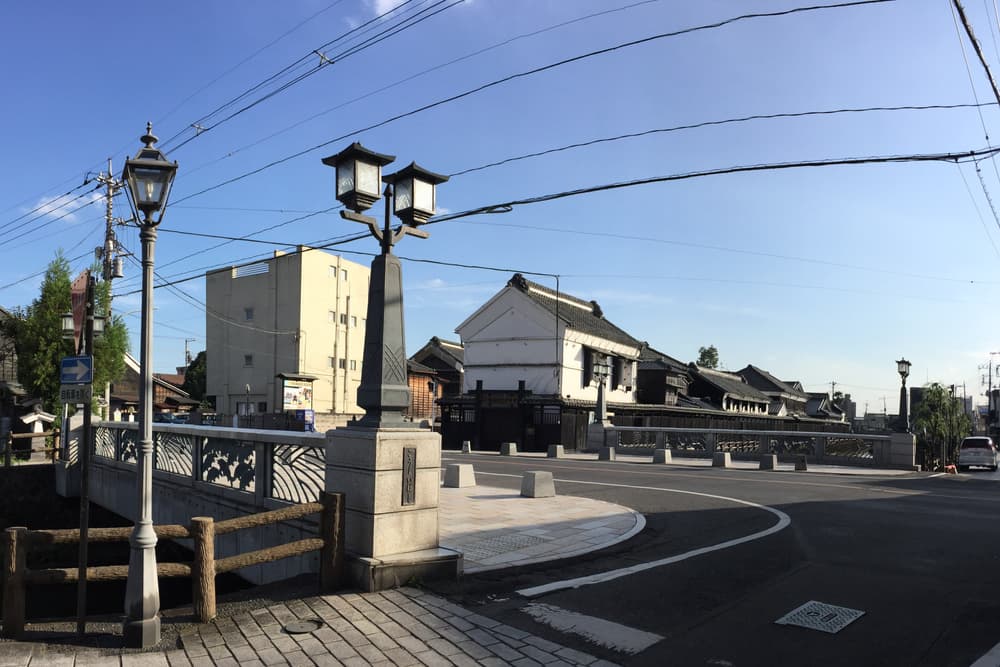
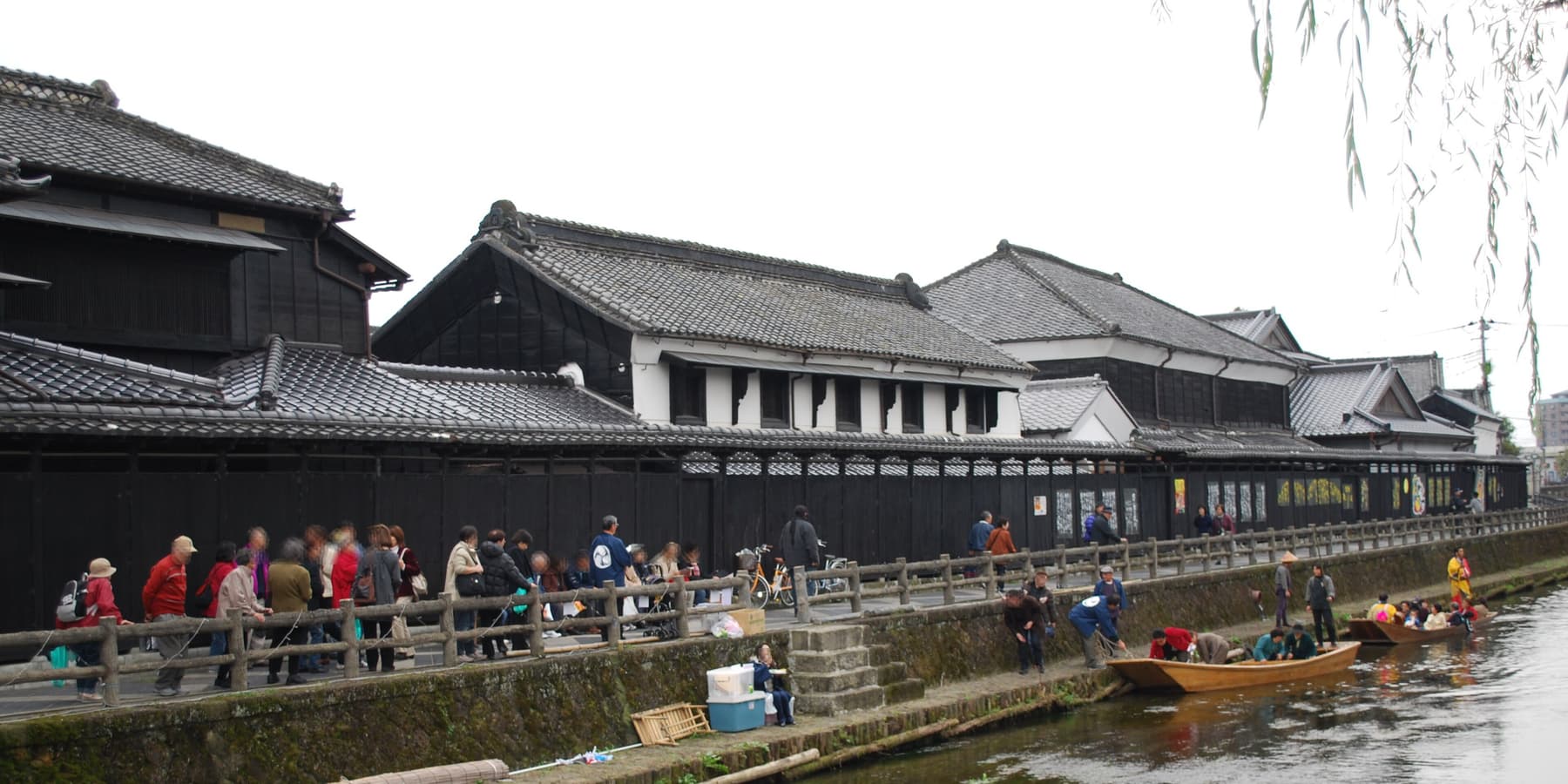
In the Edo period, envoys of the imperial court travelled through Tochigi every year on their way to Nikko Toshogu, and boats on the Uzuma River carried timber, hemp and other goods down to the capital. Merchants built thick-walled, fire-resistant storehouses — kura — along the river and main street, and several hundred survive. The town was briefly the prefectural capital in the 1870s, which is why the prefecture carries its name.
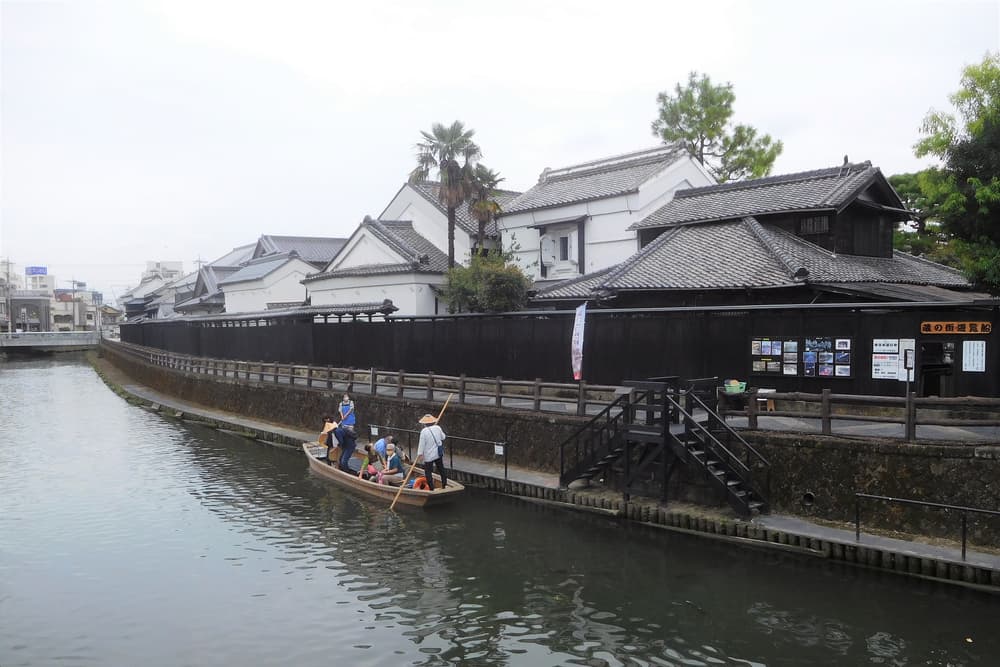
Today it is known as Kura no Machi, the town of storehouses, and sometimes as a “little Edo” alongside Kawagoe and Sawara. It is smaller and much quieter than Kawagoe. The classic experience is a 20-minute ride in a flat-bottomed boat while the boatman, in a straw hat, sings the local boat song.
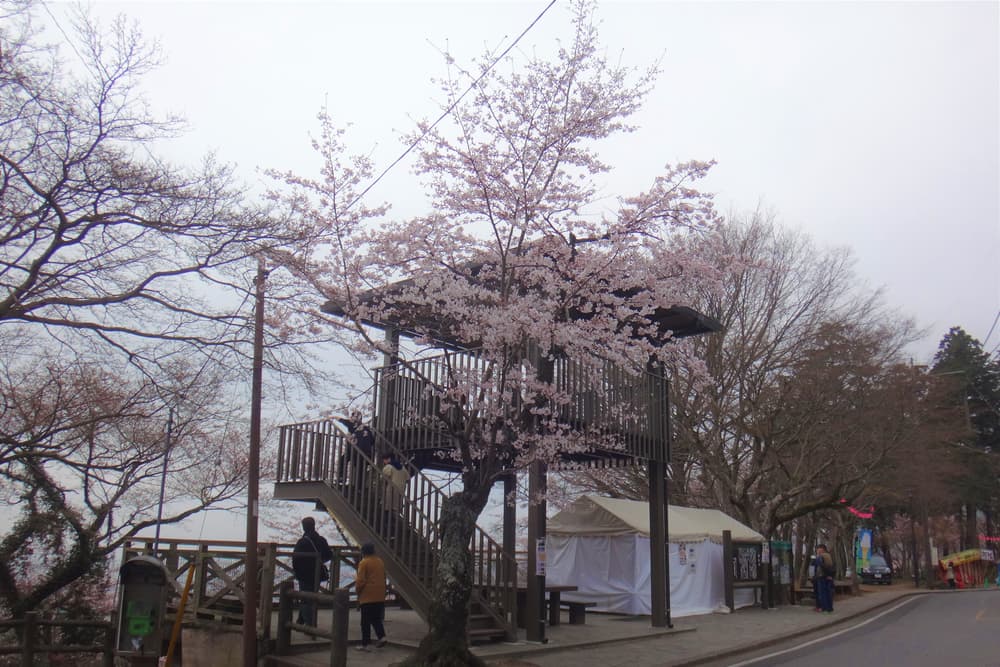
Outside the centre, Mount Ohira is covered in hydrangeas in June and cherry blossom in April, and to the south the Watarase retarding basin is one of Japan’s largest reed wetlands.
How long to stay
Half a day is enough for the boat, the riverside and a museum or two. With Mount Ohira, or combined with Sano or Ashikaga, it fills a day.
Where to base yourself
There are a few business hotels near Tochigi station and in the old town. Most visitors come for the day; Oyama, 11 minutes away on the shinkansen line, has more hotels.
Tochigi City highlights
- A pole-boat ride on the Uzuma River
- Black-plastered storehouses and willow trees along the bank
- Merchant-house museums on Kura-no-Machi Avenue
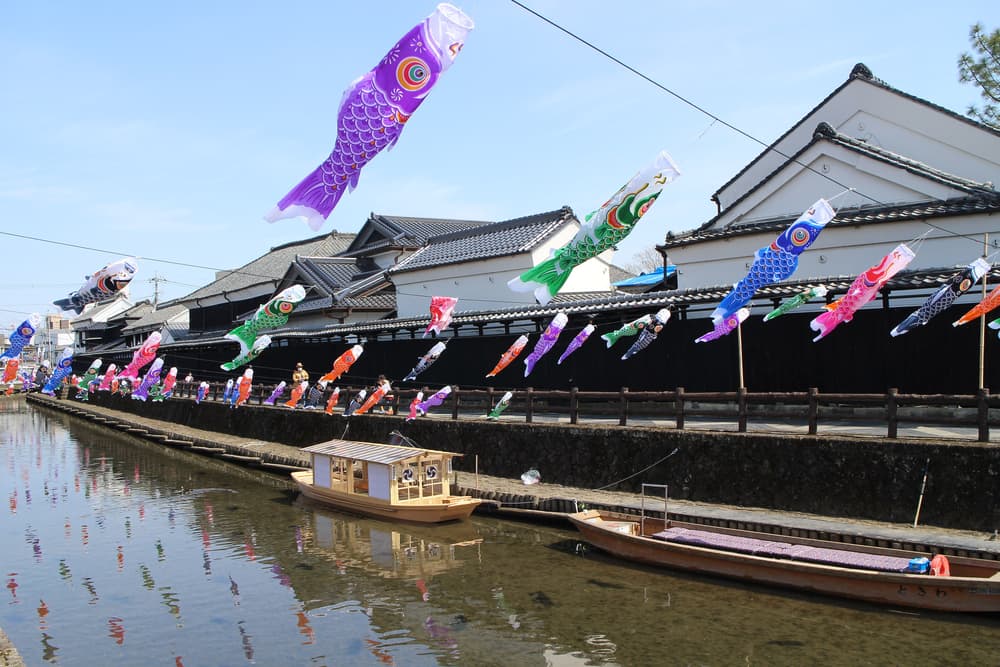
- Over a thousand carp streamers above the river in spring
- The hydrangea steps of Mount Ohira in June
- Doll-topped festival floats on display — and in the streets every other November