The seasons in brief
Spring (March–May) brings cherry blossom to the plain in early April and to Nikko town in mid to late April. Ashikaga’s wisteria peaks around late April to early May, and Nasu’s azaleas in the second half of May. Golden Week (29 April–5 May) is very busy everywhere.
Summer (June–August) starts with a rainy season from roughly mid-June to mid-July. The lowlands are hot and humid, with afternoon thunderstorms — Utsunomiya is nicknamed the “city of thunder” — while Oku-Nikko and Nasu are pleasantly cool.
Autumn (September–November) is the high season. Typhoons can bring rain in September; from October the weather is usually stable and clear.
Winter (December–February) is cold, dry and sunny on the plain, with snow and ice in the mountains. Bus services to Oku-Nikko’s upper areas and Nasu’s ropeway are reduced or suspended.
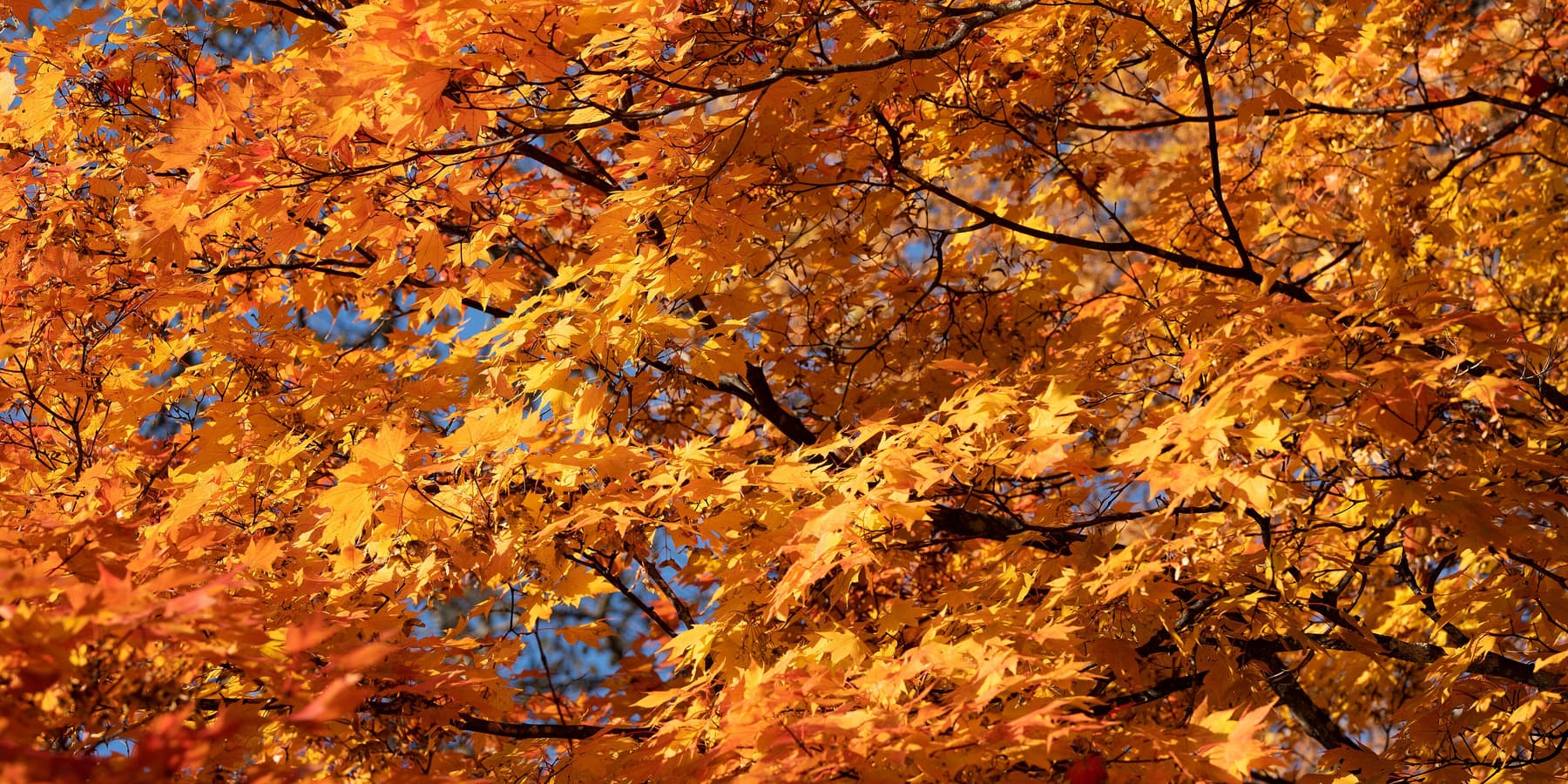
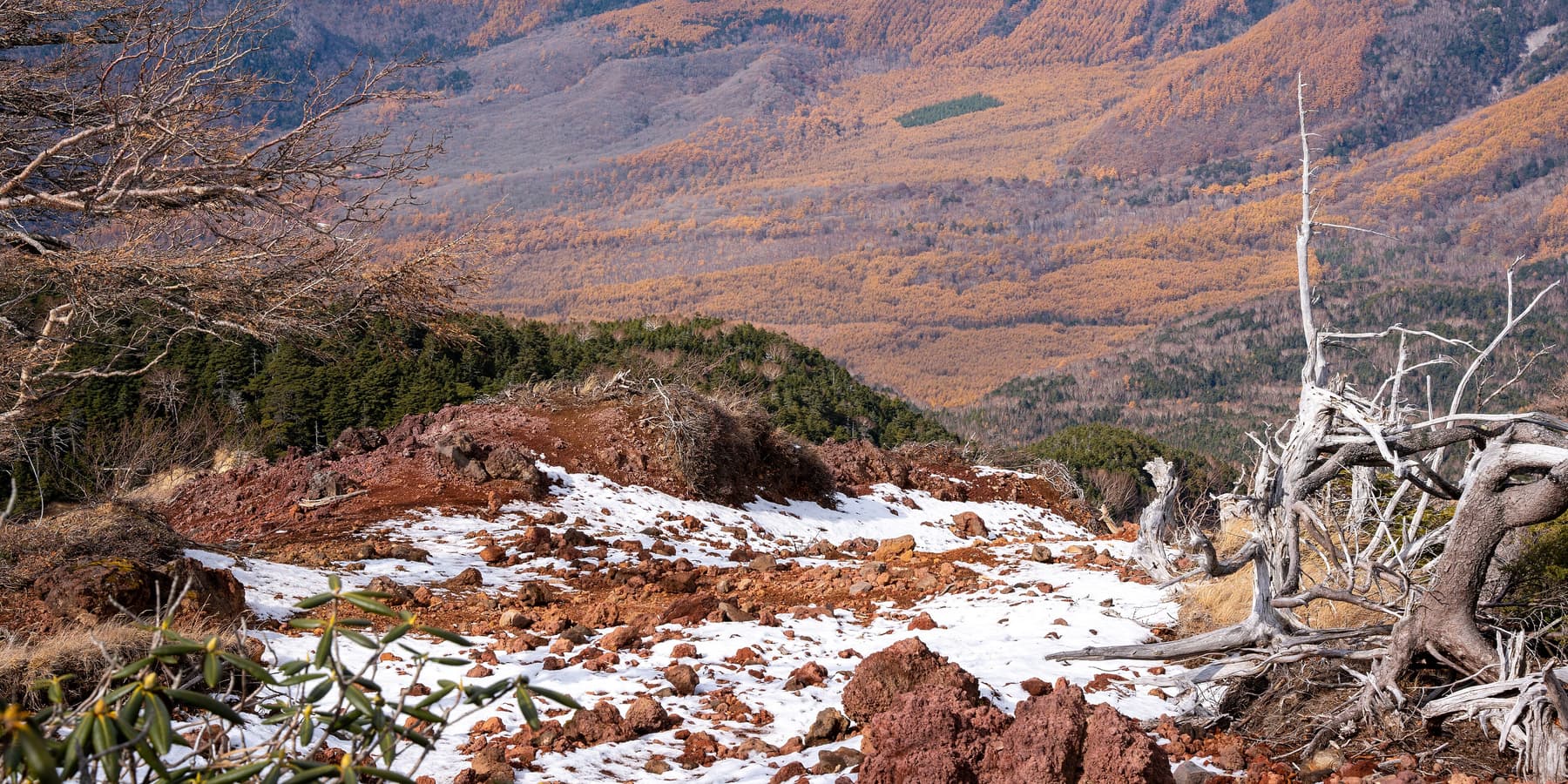
Autumn leaves: timing by altitude
Colour moves downhill over about six weeks. Exact dates shift by a week or so each year, so treat these as typical windows and check a foliage forecast.
| Area | Altitude | Typical peak |
|---|---|---|
| Mount Chausu, Nasu (Ubagadaira) | 1,500–1,900 m | late Sept–mid Oct |
| Yumoto Onsen, Senjogahara, Ryuzu Falls | 1,300–1,500 m | early–mid Oct |
| Lake Chuzenji, Kegon Falls | about 1,270 m | mid–late Oct |
| Irohazaka road, Akechidaira | 800–1,300 m | late Oct–early Nov |
| Shiobara gorge, Kinugawa, Ryuokyo | 400–700 m | late Oct–mid Nov |
| Nikko shrines and town | about 600 m | early–mid Nov |
| Ashikaga, Tochigi City, Utsunomiya | under 150 m | mid Nov–early Dec |
Month by month
| Month | What to expect |
|---|---|
| January | Cold and clear. New Year shrine visits (Sano Yakuyoke Daishi is packed), strawberries, illuminations, snow in Oku-Nikko. |
| February | Coldest month. Yunishigawa snow-hut festival, frozen waterfalls, quiet shrines. |
| March | Plum blossom, late snow in the mountains, strawberries at their best. |
| April | Cherry blossom; wisteria begins late in the month. Nasu ropeway and lake cruises resume. |
| May | Wisteria, fresh green, Toshogu’s spring festival (17–18 May), Mashiko pottery fair, Nasu azaleas. |
| June | Rainy season; hydrangeas on Mount Ohira; cool, misty Oku-Nikko. |
| July | Hot plain, cool highlands. Hiking season opens fully. |
| August | Peak summer holidays, fireworks, highland resorts busy. |
| September | Typhoon risk; first colour on Mount Chausu at month’s end. |
| October | Autumn leaves in Oku-Nikko and Nasu; Toshogu autumn festival (16–17 Oct). Busiest month in Nikko. |
| November | Leaves reach Nikko town and the gorges; pottery fair; Utsunomiya gyoza festival; winter illuminations begin. |
| December | First snow in the mountains, strawberry season opens, illuminations, onsen weather. |
Festivals and events
- Yayoi Festival, Nikko (13–17 April) — decorated floats at Futarasan Shrine.
- Toshogu Grand Spring Festival (17–18 May) — horseback archery and a procession of around a thousand people in samurai dress; a smaller version is held on 16–17 October.
- Mashiko Pottery Fair — spring (around Golden Week) and autumn (around 3 November).
- Ashikaga Flower Park — wisteria festival from mid-April to mid-May; “Flower Fantasy” illumination from late October to mid-February.
- Utsunomiya Gyoza Festival — early November.
- Tochigi Autumn Festival — tall doll-topped floats in Tochigi City, held every other year in November.
- Yunishigawa Kamakura Festival — snow huts and hundreds of candle-lit mini-domes, late January to early March.
- MotoGP Japanese Grand Prix, Motegi — usually late September or early October.
Crowds and prices
The busiest periods are October weekends in Nikko, Golden Week, the mid-August Obon holidays and New Year. Ryokan prices rise on Saturdays and holidays; midweek stays outside those periods are noticeably cheaper and quieter. January to March is the calmest time at the shrines.
Frequently asked questions
When are the autumn leaves at their best in Nikko?
It depends where. Lake Chuzenji usually peaks in mid to late October, the Irohazaka road around the turn of the month, and the shrine area in early to mid November.
When is strawberry-picking season?
Roughly December to May, with the sweetest fruit from January to March. Farms around Moka, Tochigi City, Utsunomiya and Nasu take visitors, usually by reservation.
Is Nikko worth visiting in winter?
Yes, if you dress for it. The shrines are quiet and beautiful under snow, onsen are at their best, and prices are lower. Some bus routes and attractions in Oku-Nikko run reduced schedules.
When does Ashikaga’s wisteria bloom?
The great purple wisteria is usually at its best from late April to early May, with white and yellow varieties following into mid-May.