Why visit Utsunomiya
With around half a million people, Utsunomiya is the largest city in northern Kanto and the hub where the shinkansen meets the line to Nikko. Most travellers only change trains here. Those who step outside find a city obsessed with gyoza: there are said to be over 200 shops serving dumplings, and a stone statue of a gyoza-shaped Venus stands outside the station.
The habit is usually traced to soldiers of the city’s army division who returned from north-east China after the war with a taste for dumplings. Portions are small and cheap, so the custom is to visit two or three shops and compare.
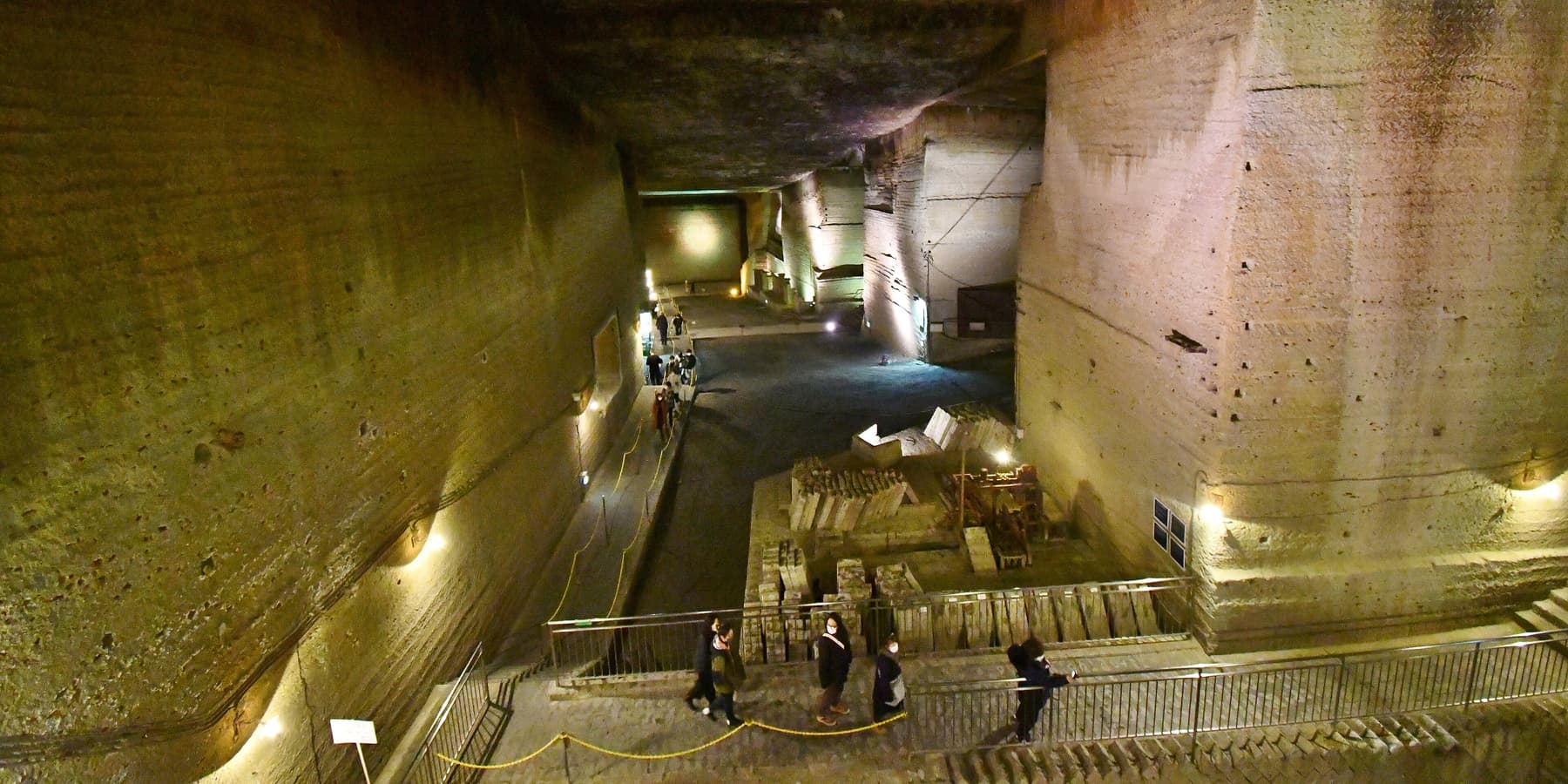
Eight kilometres north-west, the village of Oya sits on a seam of soft green-grey tuff that has been quarried since the Edo period — Frank Lloyd Wright chose it for Tokyo’s old Imperial Hotel. One mine is now the Oya History Museum, a cavern so large and atmospheric it is used for concerts and film shoots.
After dark, Utsunomiya styles itself a city of cocktails and jazz — it is the hometown of saxophonist Sadao Watanabe — with a cluster of serious bars downtown.
How long to stay
Half a day covers Oya and a gyoza lunch on the way to or from Nikko. A night gives you the bars and makes Utsunomiya a cheap, well-connected base for day trips to Nikko, Mashiko and Nasu.
Where to base yourself
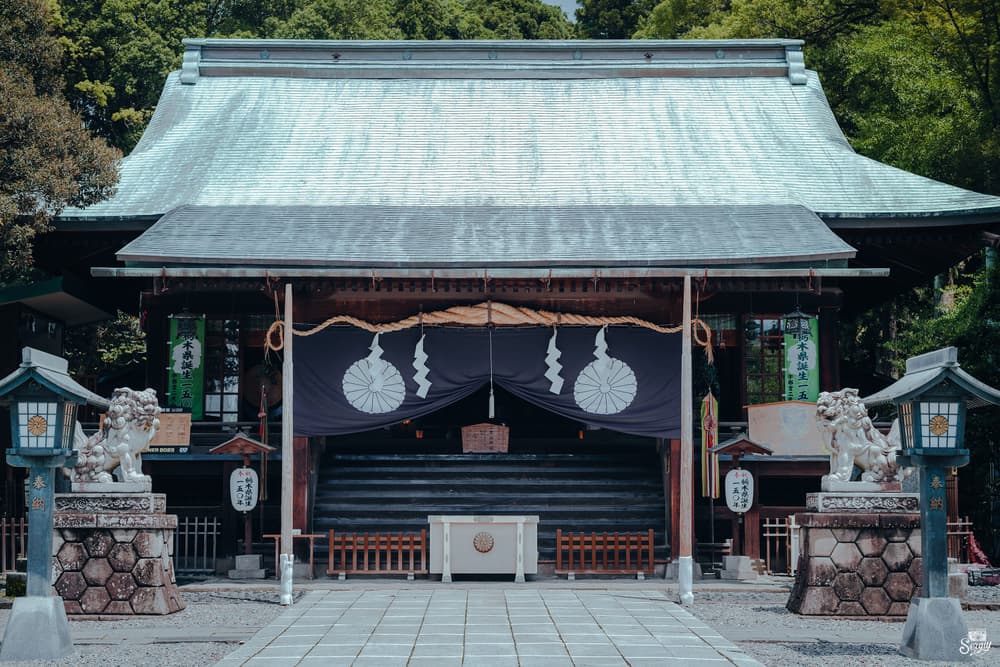
Stay near JR Utsunomiya station for trains and gyoza shops, or 1.5 km west around Tobu Utsunomiya station and the Orion-dori arcade for the downtown bars and Futaarayama Shrine.
Utsunomiya highlights
- The cathedral-like underground quarry of the Oya History Museum
- A gyoza crawl: pan-fried, boiled and deep-fried
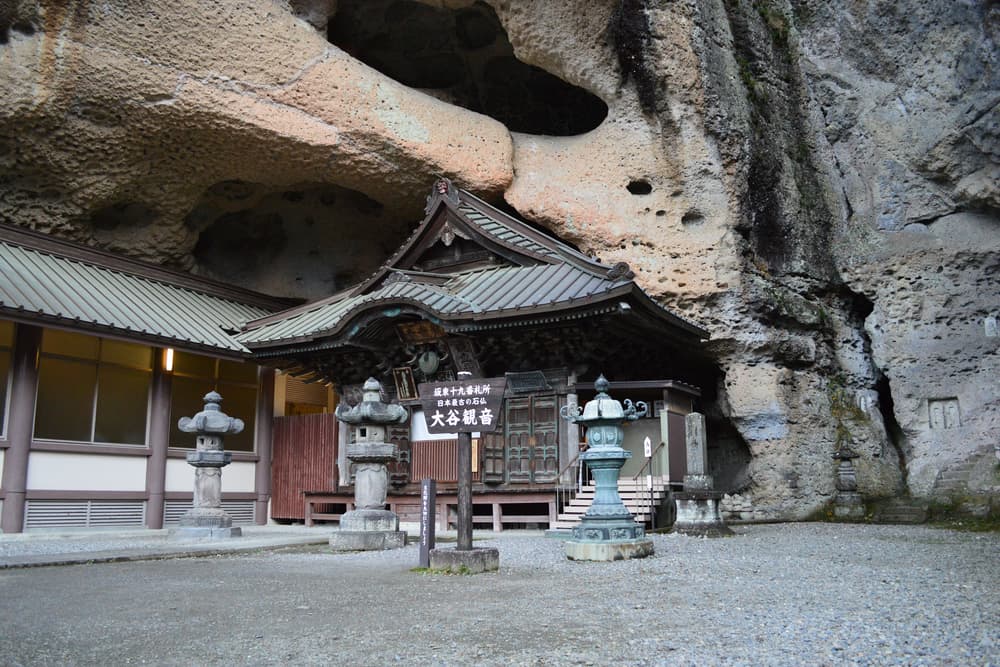
- Oya-ji’s cliff-carved Kannon and the 27-metre Heiwa Kannon
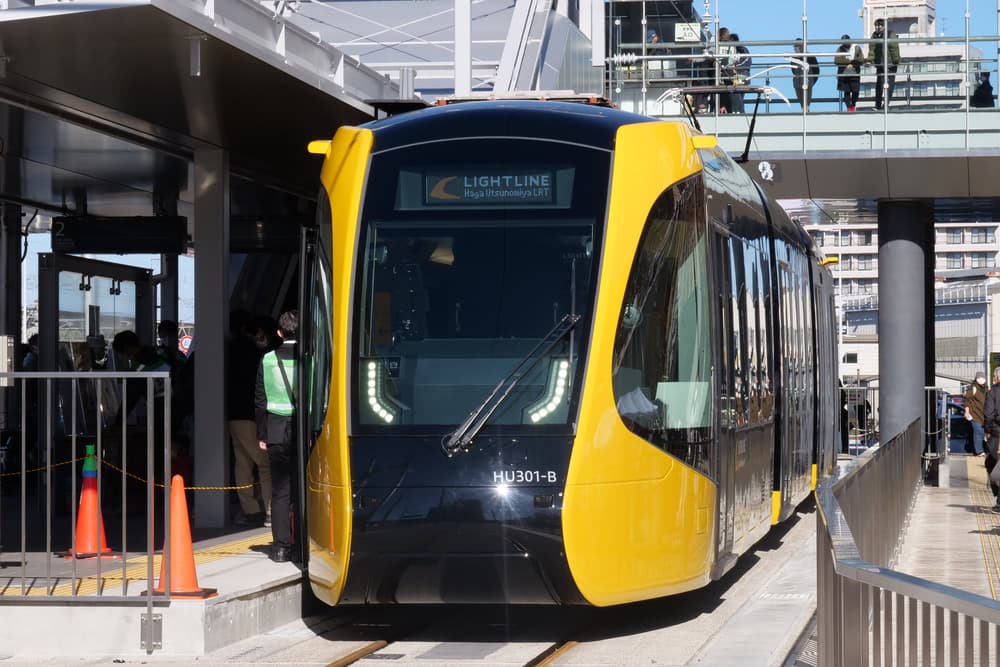
- A ride on the Lightline, Japan’s first all-new tram line in 75 years
- Cocktail bars and live jazz downtown
- Buildings of Oya stone, such as Matsugamine Church