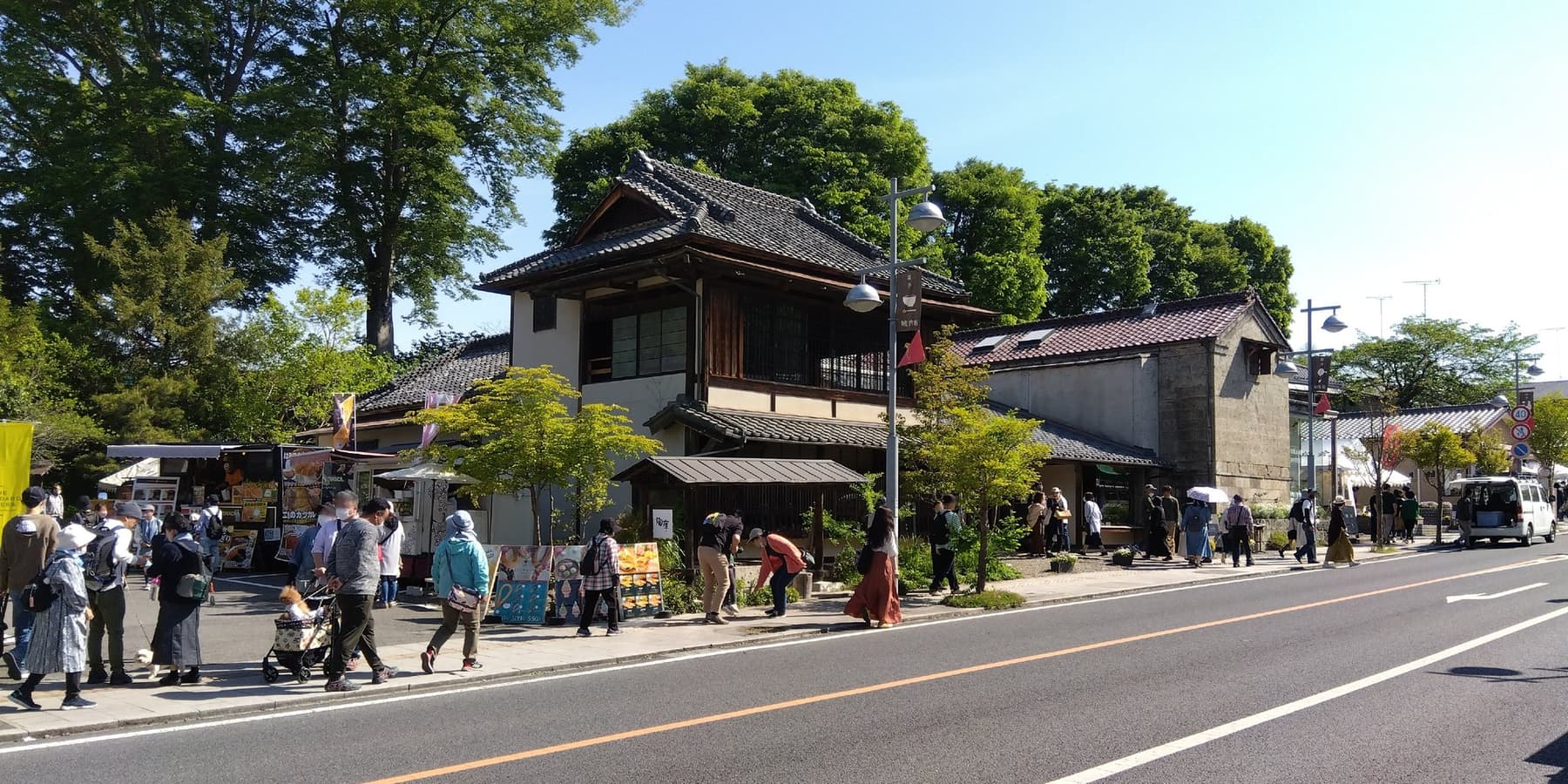
Why visit Mashiko
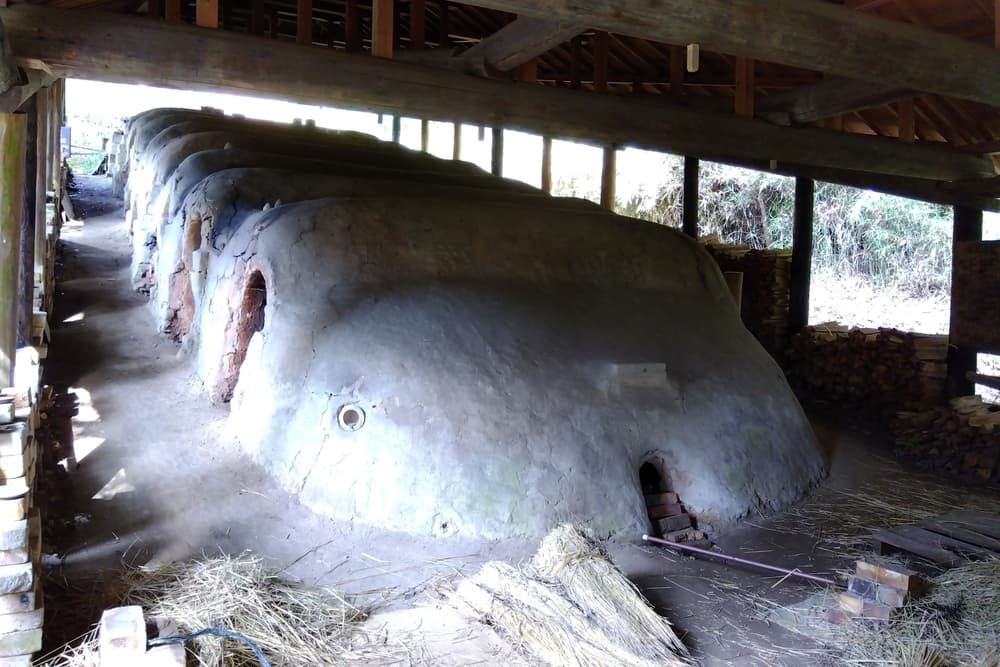
Pottery has been fired in Mashiko since the 1850s, at first as everyday kitchenware — water jars, mortars, teapots — for the Tokyo market. Its character changed in 1924 when Hamada Shoji settled here. A leader of the mingei (folk craft) movement with Yanagi Soetsu and the English potter Bernard Leach, Hamada found beauty in sturdy, useful things. He was named a Living National Treasure in 1955, and potters from around Japan and abroad followed him to the town.
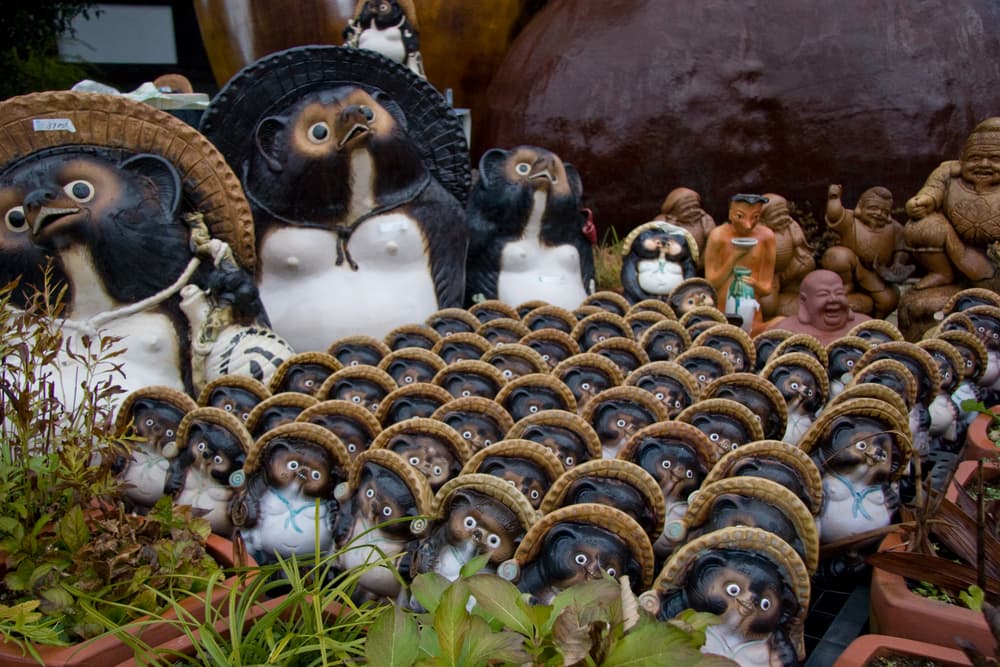
Mashiko ware is thick, warm and unpretentious, glazed in persimmon brown, black, rice-bran white and green. Today the town has some 250 kilns and 50 or so shops, from old cooperatives to young makers’ galleries, alongside indigo dyers, bakeries and cafés using local pots.
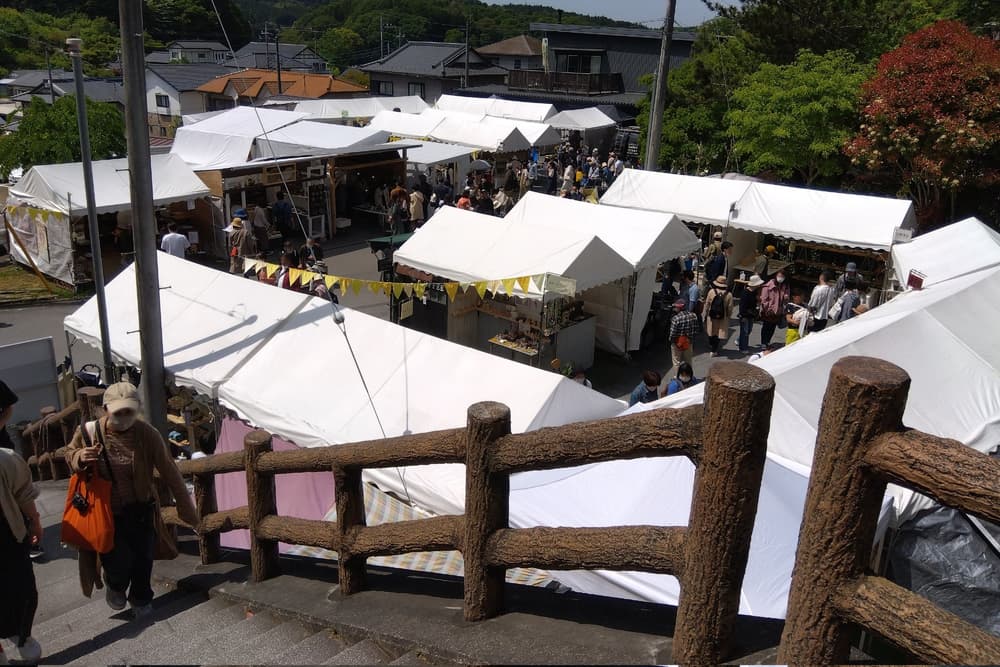
Twice a year, the Mashiko Pottery Fair fills the streets with hundreds of stalls and draws several hundred thousand visitors.
How long to stay
A day trip is enough to browse, see Hamada’s house and make a pot. Stay nearby if you want to linger over studios or visit during a fair.
Where to base yourself
Mashiko has only a few inns and one larger hotel on the edge of town. Many visitors stay in Utsunomiya (one hour by bus) or in neighbouring Moka.
Mashiko highlights
- Browsing the pottery shops and galleries of Jonaizaka
- Hamada Shoji’s thatched house, workshop and climbing kiln
- Throwing or painting your own piece at a kiln
- The spring and autumn pottery fairs
- A 200-year-old thatched indigo dye works
- Lunch served on Mashiko ware in a craft café