Why visit Oku-Nikko
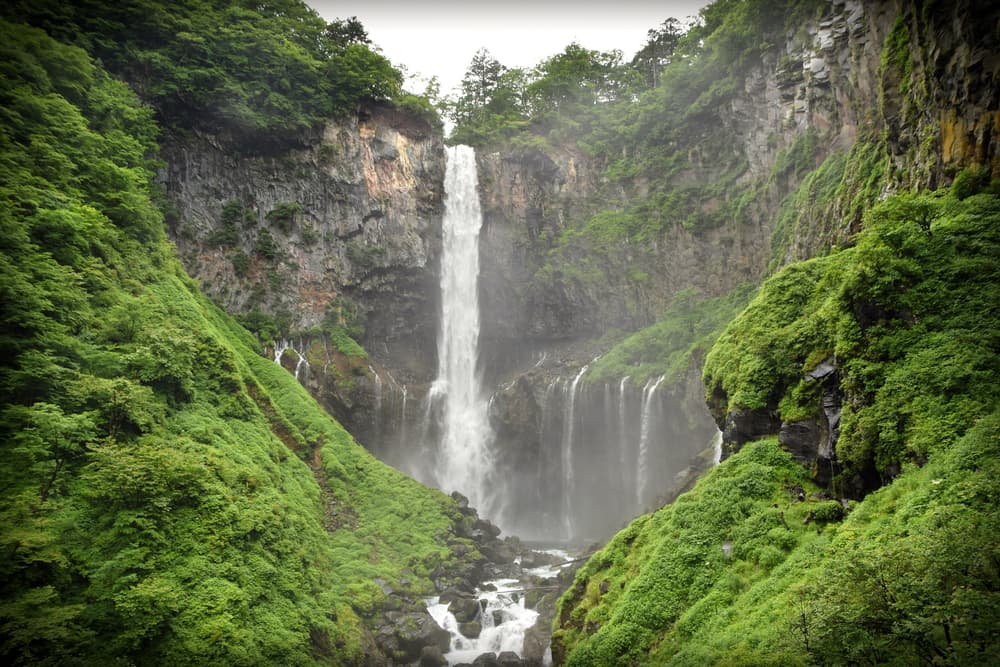
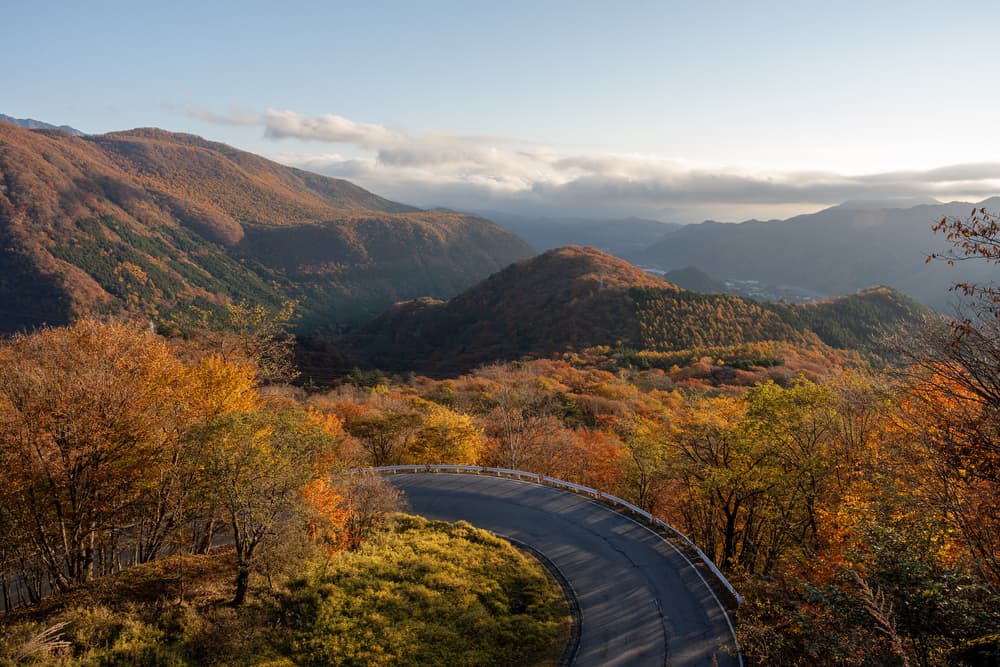
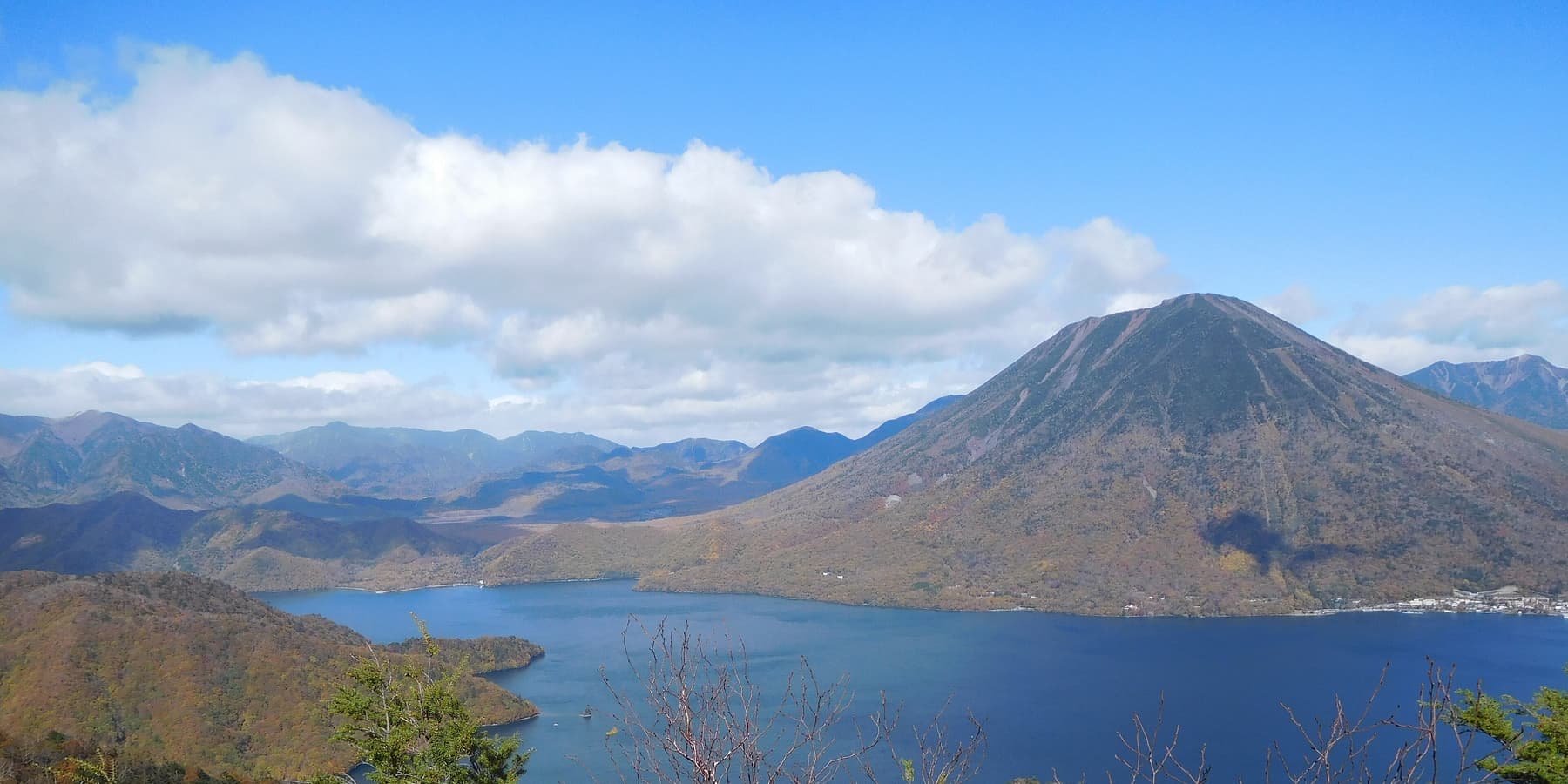
“Oku” means inner or deep. Above the town of Nikko, the Irohazaka road climbs 48 hairpin bends to a plateau created when Mount Nantai erupted and dammed a river some 20,000 years ago. The result is Lake Chuzenji, whose outflow drops 97 metres at Kegon Falls.
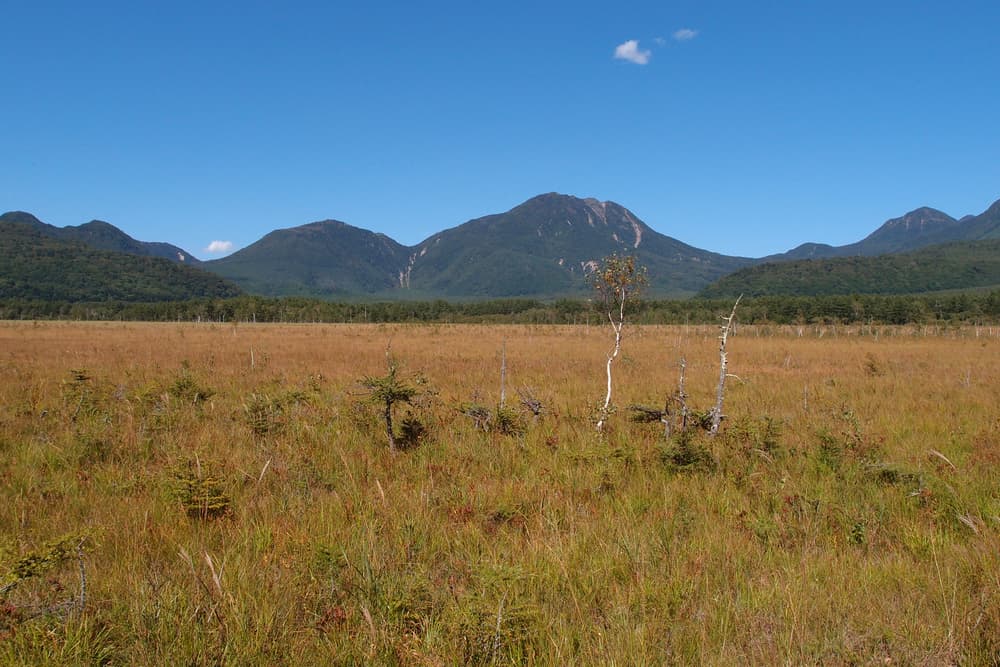
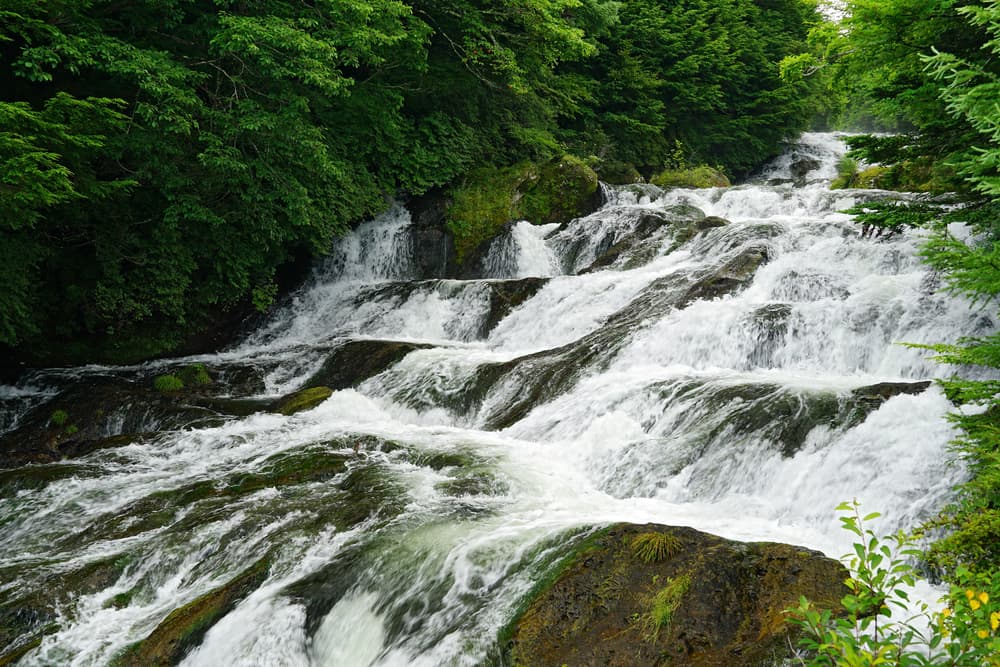
Beyond the lake the road continues past Ryuzu Falls to the Senjogahara marsh — a wide, flat wetland crossed by boardwalks — and ends at Yumoto Onsen, a small sulphur hot-spring village beside another lake. In the late 19th century foreign diplomats built summer villas on Lake Chuzenji to escape Tokyo’s heat, and two of them are now open to visitors.
This is where Tochigi’s autumn colour starts, usually in the first days of October, and it is the coolest place in the prefecture in summer.
How long to stay
A half-day covers Kegon Falls and the lakeshore. A full day adds Senjogahara and Yumoto. Staying a night at Chuzenji Onsen or Yumoto lets you see the lake at dawn and beat the Irohazaka traffic in autumn.
Where to base yourself
Chuzenji Onsen, at the top of the Irohazaka, has the most hotels and is a five-minute walk from Kegon Falls. Yumoto Onsen, 30 minutes further, is quieter with milky sulphur baths. In between are a few lakeside and highland hotels.
Oku-Nikko highlights
- Kegon Falls from the lower observation deck
- Lake Chuzenji with Mount Nantai behind it
- The view from Akechidaira over the falls, lake and volcano
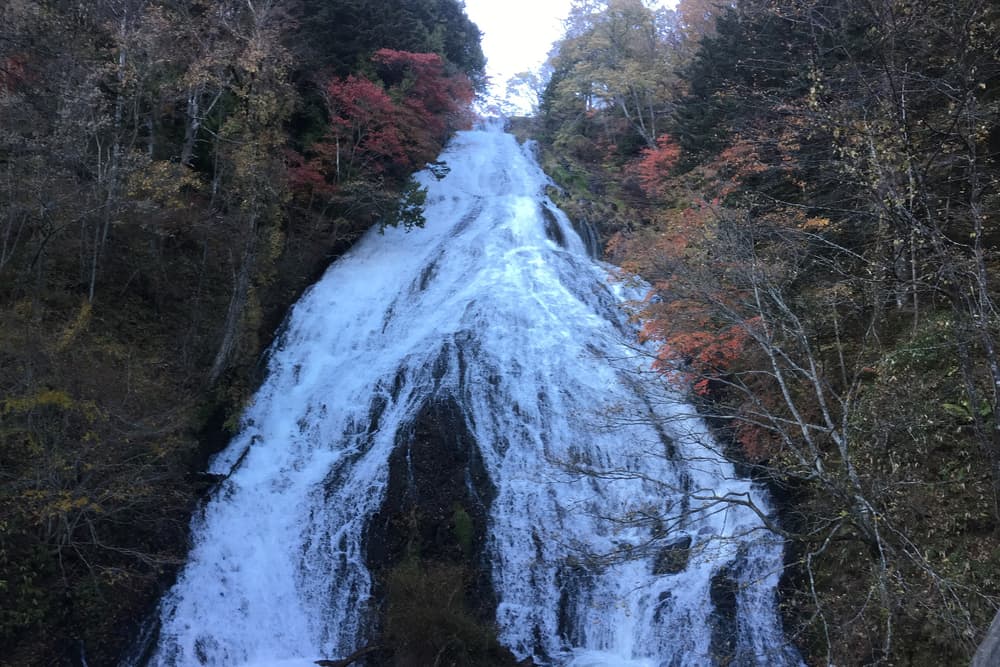
- The Senjogahara boardwalk between Ryuzu and Yudaki Falls
- The Italian and British Embassy villa parks
- A soak in Yumoto’s sulphur springs