Why visit Ashikaga
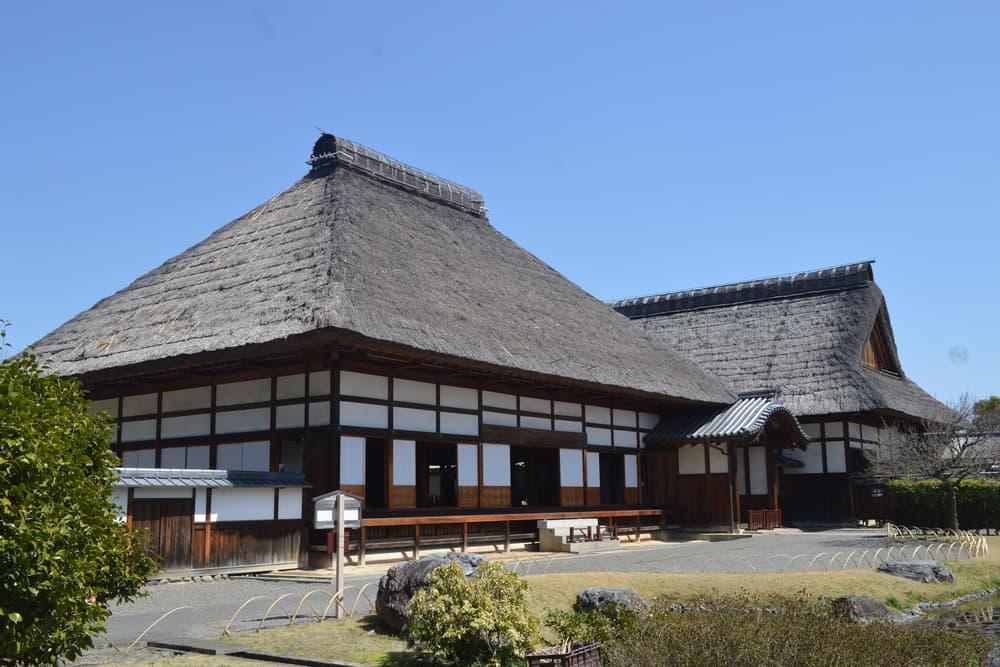
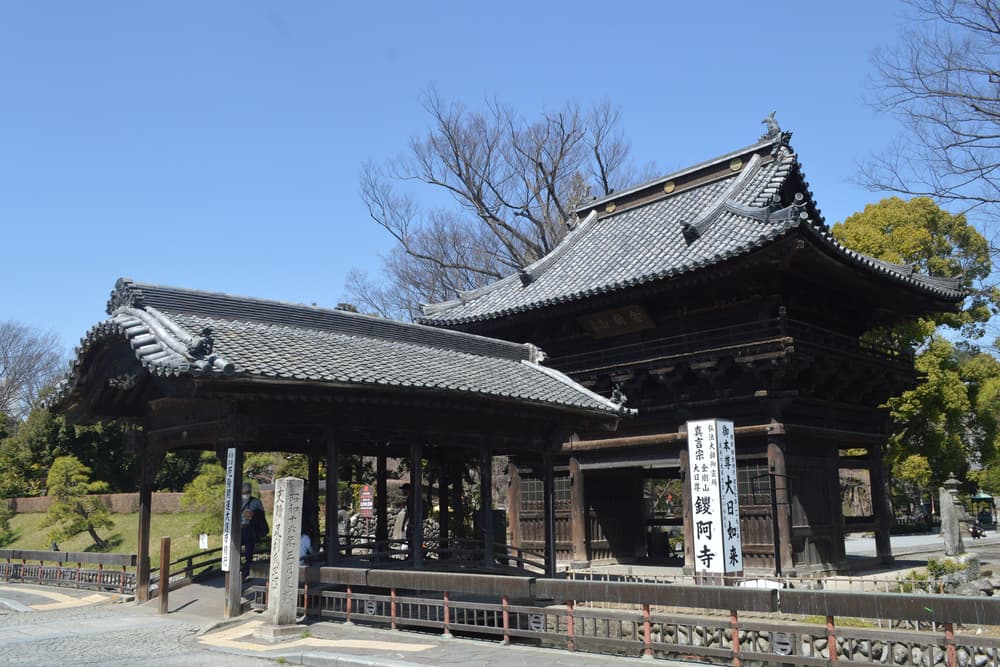
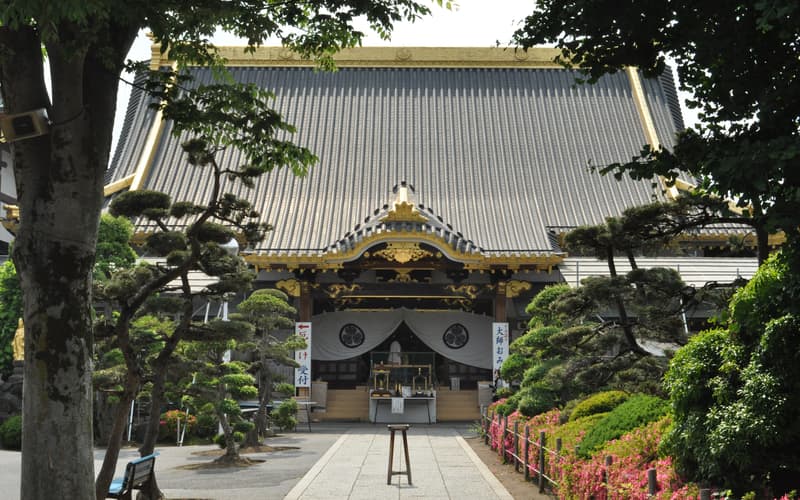
Ashikaga gave its name to the clan that ruled Japan as shoguns from 1338 to 1573, and its old centre still holds their fortified family temple and a school of Confucian learning that the missionary Francis Xavier described in 1549 as the largest and most famous academy in Japan.
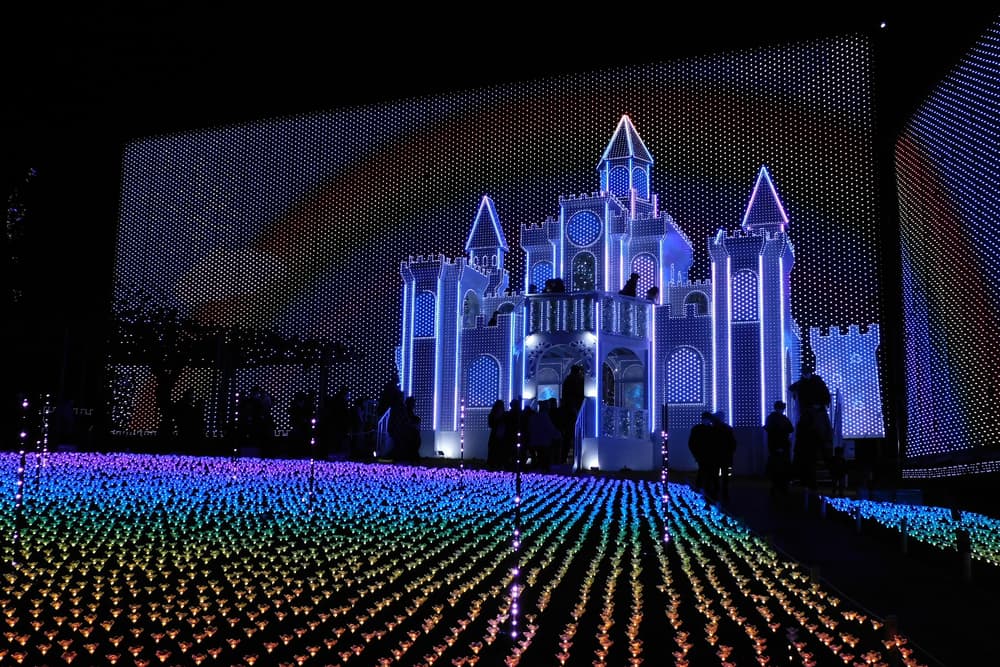
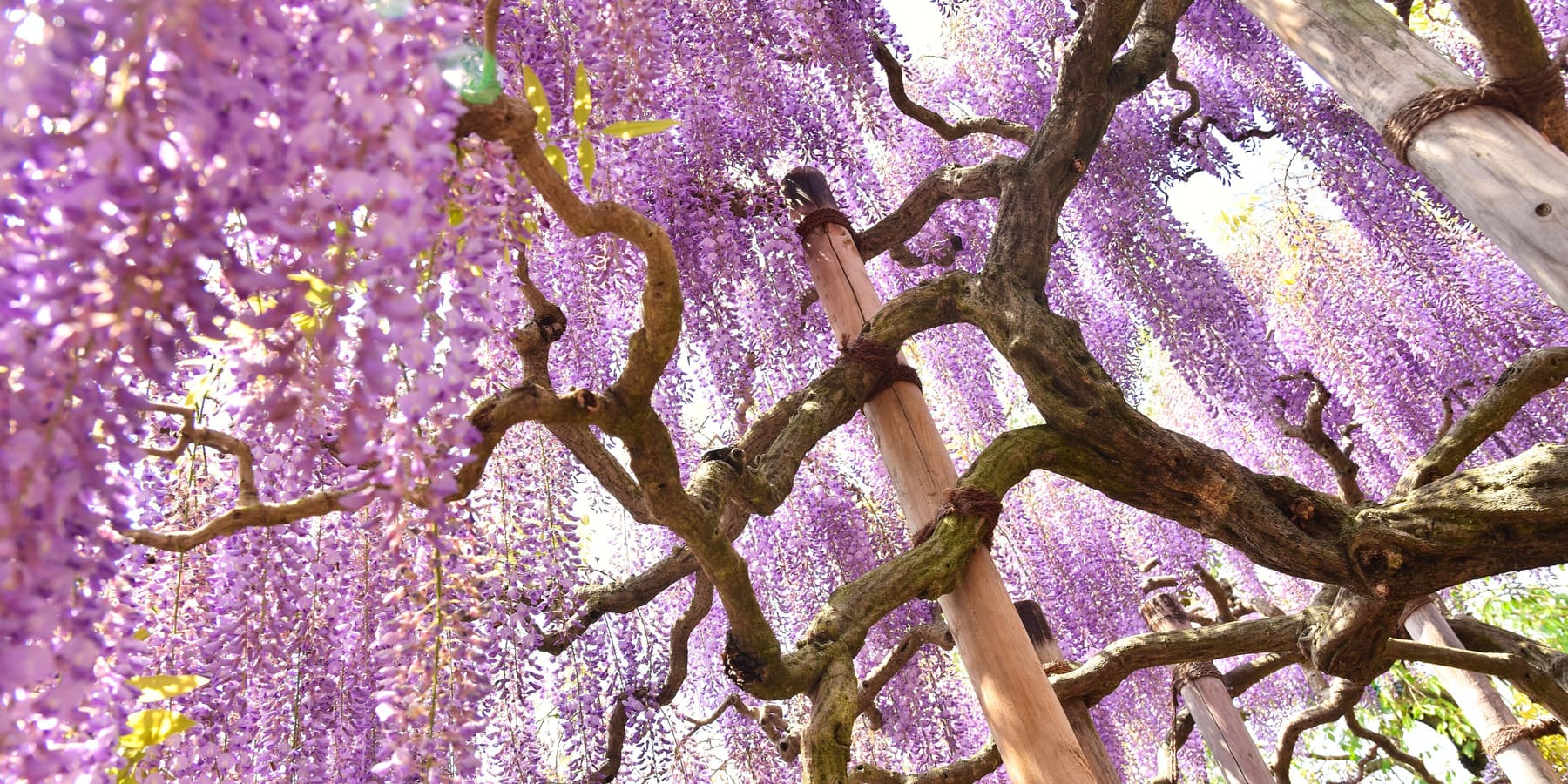
What brings most people today, though, is Ashikaga Flower Park. Its centrepiece is a great wisteria around 160 years old whose trellis covers about 1,000 square metres; in late April and early May, purple racemes hang over a metre long above the paths, followed by tunnels of white and then yellow blossom. From late October to mid-February the same gardens are strung with millions of lights for “Flower Fantasy”, counted among the three great illuminations of the Kanto region.
The park is 15 minutes by train east of the town centre and has its own station, so it is easy to combine both in a day — or with Sano next door.
How long to stay
A day trip from Tokyo works well: the old town in the afternoon and the flower park towards dusk, when the wisteria or lights are lit. Stay a night if you want to avoid the journey back after the illuminations.
Where to base yourself
Business hotels cluster around JR Ashikaga station and, across the river, Tobu’s Ashikagashi station. Both are within walking distance of Ashikaga Gakko and Banna-ji.
Ashikaga highlights
- The great wisteria trellis in late April and early May
- The 80-metre white wisteria tunnel
- Night-time wisteria reflected in the pond
- “Flower Fantasy” winter illuminations
- Ashikaga Gakko and the moated temple of Banna-ji
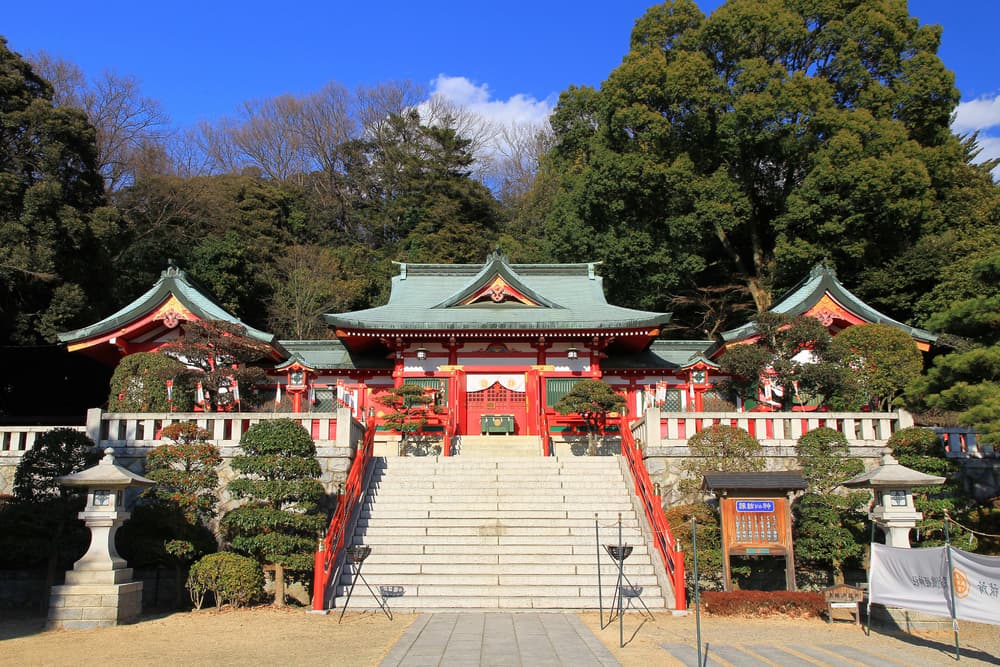
- The vermilion Orihime Shrine and its view over the plain