Nikko
Tokugawa Ieyasu’s gilded mausoleum, ancient cedars and a vermilion bridge — Japan’s most ornate World Heritage site.
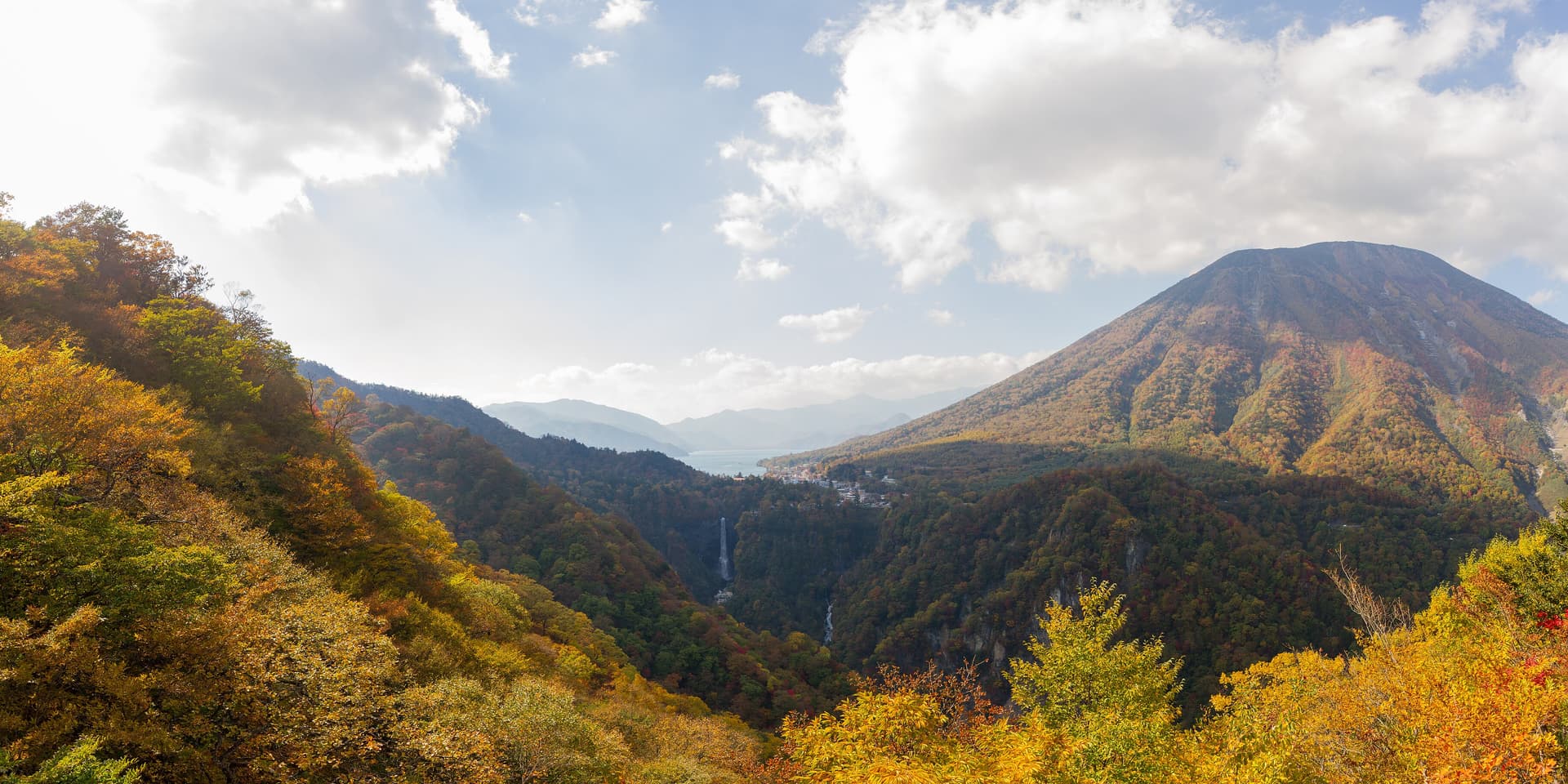
Gilded World Heritage shrines, a volcano lake above the clouds, hot-spring gorges and Japan’s favourite strawberries — all between 50 minutes and two hours from Tokyo.
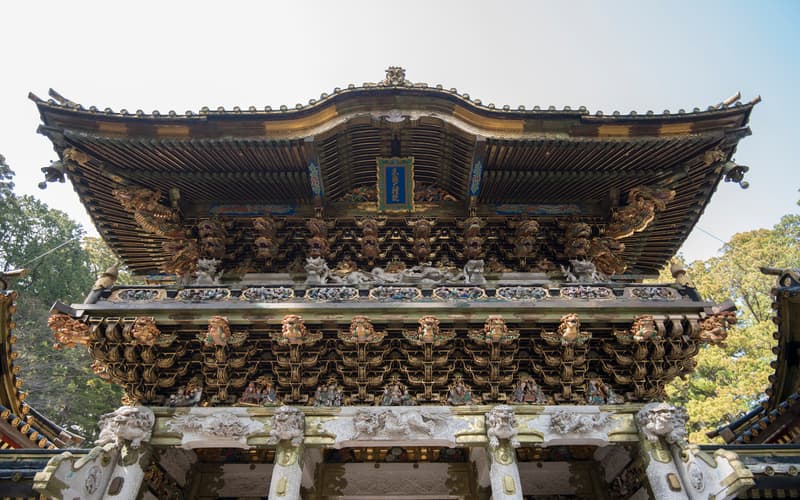
Tochigi is a landlocked prefecture in the north of the Kanto region, starting about 60 km beyond Tokyo and rising from rice plains to 2,000-metre volcanoes on the border with Fukushima and Gunma. Most visitors know one name in it: Nikko, where the mausoleum of the shogun Tokugawa Ieyasu sits in a cedar forest and has been a UNESCO World Heritage site since 1999.
But Nikko is only the front door. Above it, the Irohazaka hairpins climb to Lake Chuzenji and Kegon Falls; one valley over, Kinugawa Onsen lines a gorge with ryokan and theme parks. To the north-east, the Nasu highlands — long a summer retreat of the imperial family — mix a smoking crater with dairy farms and family attractions. On the plain, Utsunomiya is Japan’s gyoza capital, Ashikaga has the country’s most famous wisteria, and Mashiko is a working pottery town.
Because the shinkansen reaches Utsunomiya in about 50 minutes and Tobu’s limited expresses reach Nikko in under two hours, Tochigi works as a day trip — but it rewards two to five days, especially if you stay a night in an onsen ryokan.
Each has its own mini-guide: tours and tickets, things to see, how to get there, a travel guide and when to go.
Tokugawa Ieyasu’s gilded mausoleum, ancient cedars and a vermilion bridge — Japan’s most ornate World Heritage site.
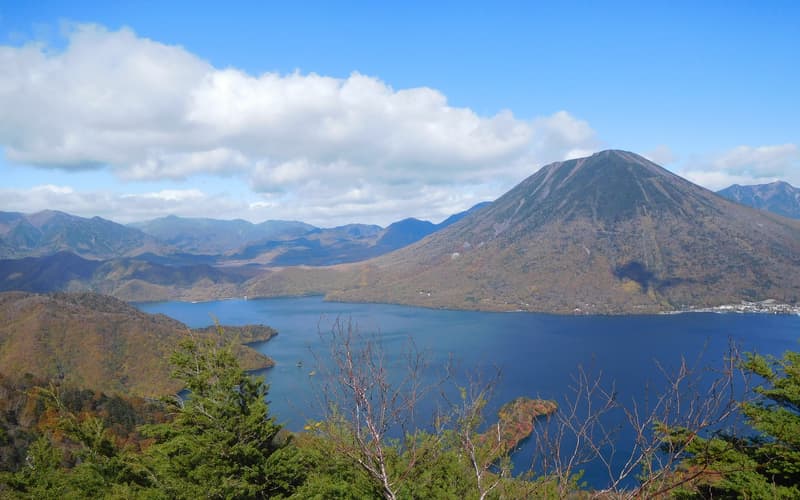
Lake Chuzenji, Kegon Falls and high marshland above the Irohazaka hairpins — Nikko’s wild upper half.
Riverside hot-spring hotels, a samurai-era theme park, miniature world wonders and a steam train in the valley next to Nikko.
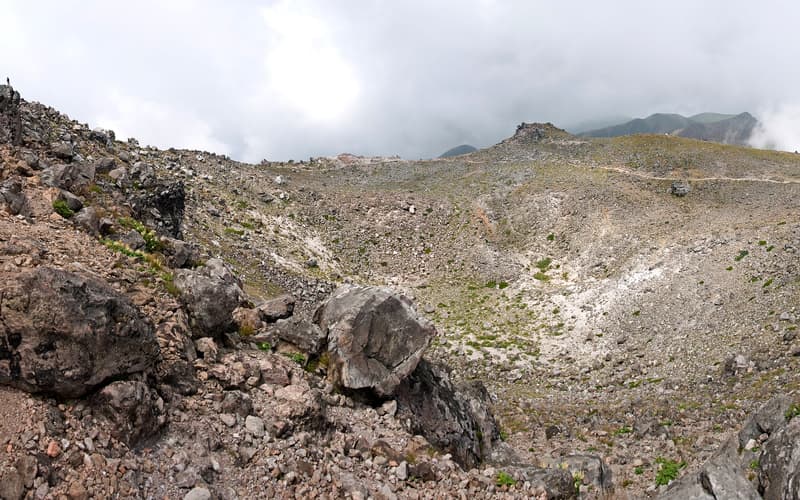
An active volcano with a ropeway, ancient sulphur baths, forest walks and family attractions in the imperial family’s summer retreat.
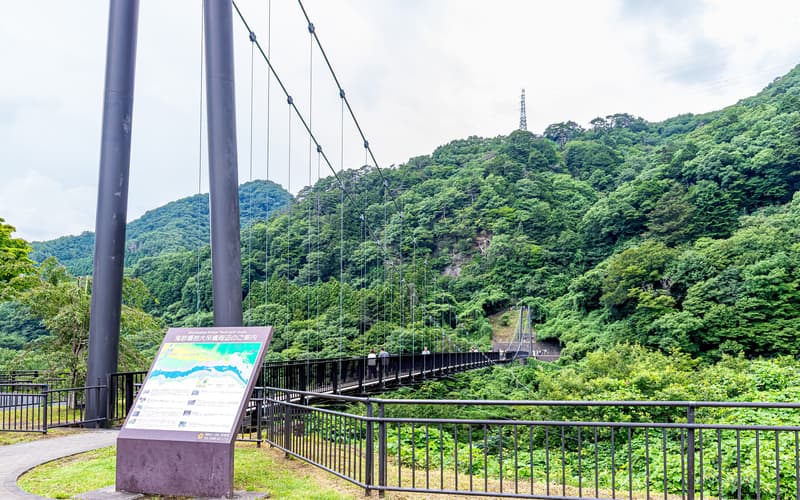
A 1,200-year-old hot-spring valley of suspension bridges, waterfalls and autumn colour along the Hoki River.
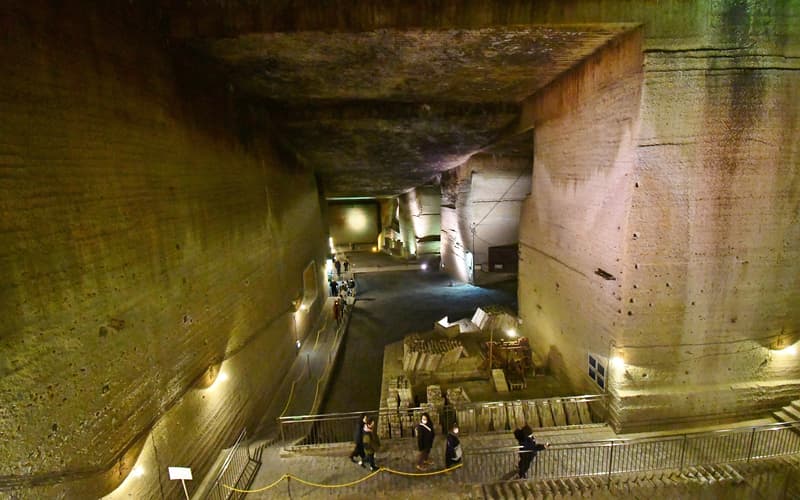
Japan’s gyoza capital, with a vast underground stone quarry, a new tram line and a reputation for cocktails and jazz.
A working pottery town of kilns, galleries and craft cafés, made famous by the folk-craft potter Hamada Shoji.
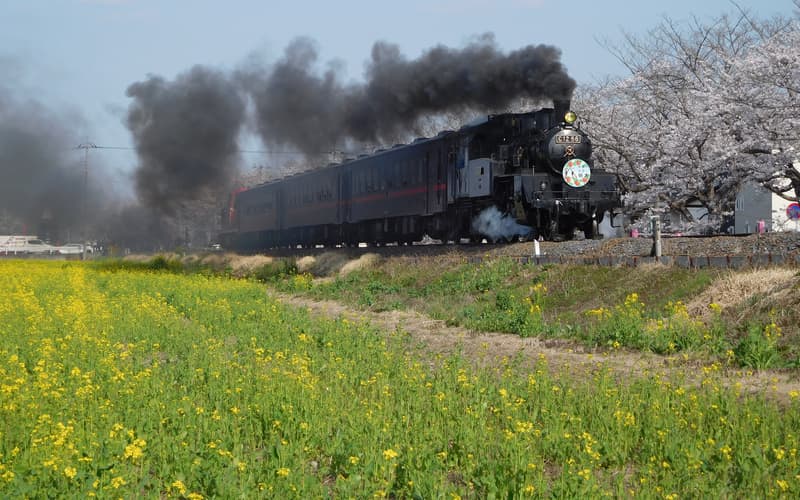
A weekend steam train through the rice fields, Japan’s top strawberry town and the home circuit of MotoGP in Japan.
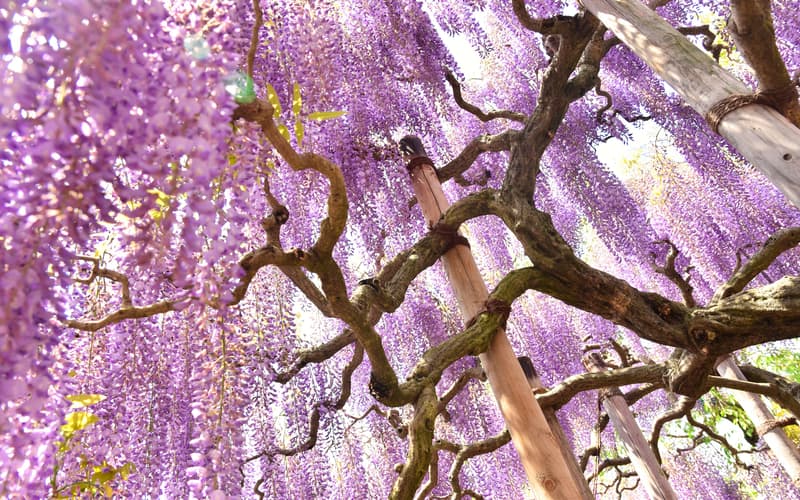
World-famous wisteria and winter illuminations at Ashikaga Flower Park, plus Japan’s oldest school and a moated samurai temple.
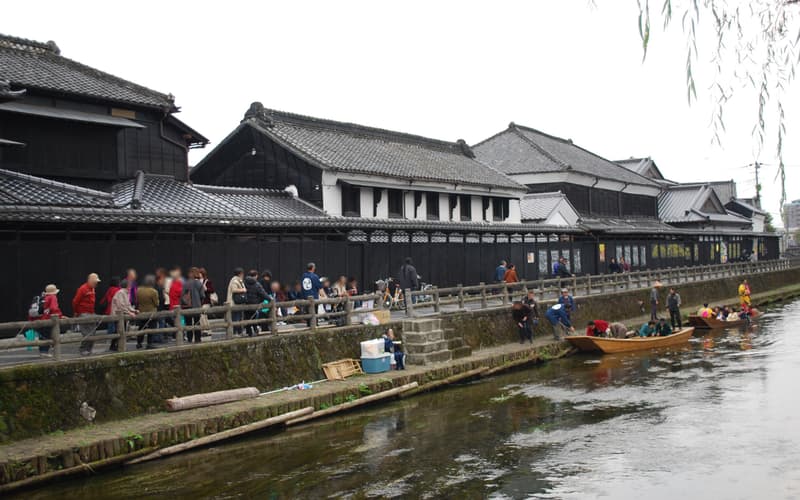
A “little Edo” of black-walled storehouses along a willow-lined river, explored by pole boat — the town the prefecture is named after.
Outlet shopping, a famous bowl of ramen and a temple for warding off bad luck — an easy day trip 70 km from Tokyo.
If you only have room for a few things, start with these.
A quick comparison of the main areas. Times are typical fastest journeys from central Tokyo.
| Area | Best for | From Tokyo | Stay |
|---|---|---|---|
| Nikko | Shrines, history, first-time visitors | about 2 hr by Tobu or JR | 1 night |
| Oku-Nikko | Lake, waterfalls, hiking, autumn leaves | about 3 hr (train + bus) | 1–2 nights |
| Kinugawa & Kawaji | Onsen ryokan, families, theme parks | about 2 hr by Tobu | 1 night |
| Nasu Highlands | Volcano hike, farms, resorts, children | 70 min shinkansen + bus | 1–2 nights |
| Shiobara Onsen | Quiet hot springs, gorge walks | 70 min shinkansen + bus | 1 night |
| Utsunomiya | Food, Oya quarry, transport hub | 50 min by shinkansen | Half day–1 night |
| Ashikaga | Wisteria, illuminations, temples | 70–90 min | Day trip |
| Mashiko | Pottery, crafts | about 2.5 hr | Day trip |
The most-booked ways to see Tochigi on GetYourGuide, mostly day trips from Tokyo.
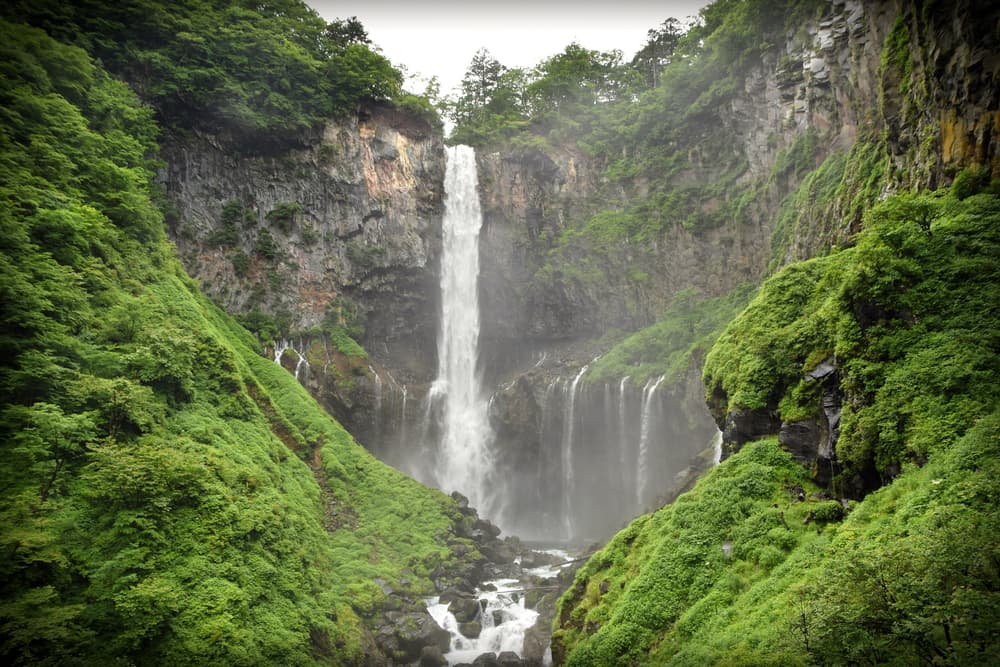 #1 · Day trip from US$78
 The most-reviewed Nikko tour on GetYourGuide — shrine, waterfall and lake in one guided day from Tokyo.
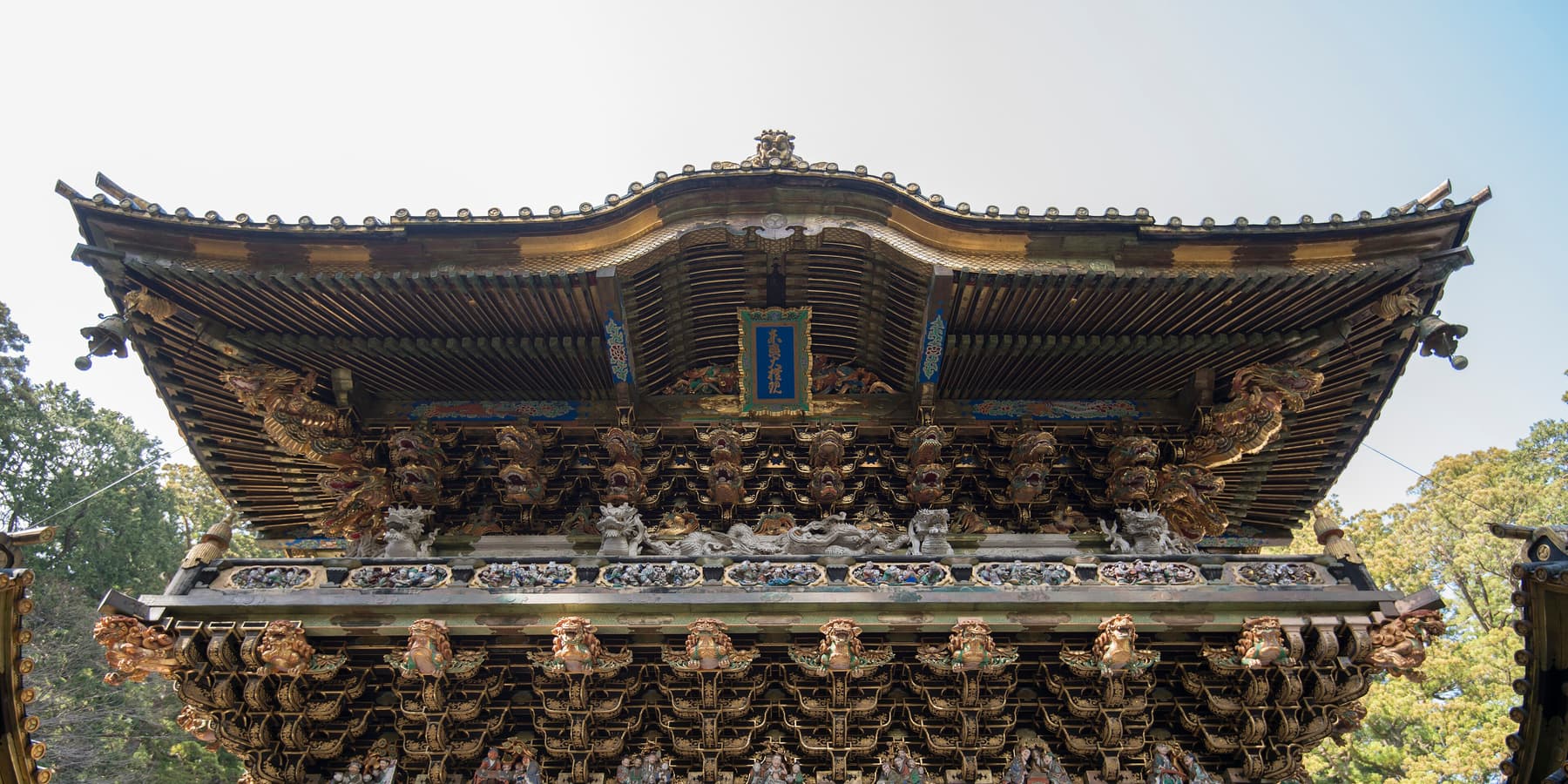 #2 · Day trip from US$78
 The long-running coach day trip: Shinkyo Bridge, Toshogu Shrine, then up to Kegon Falls and Lake Chuzenji with a guide.
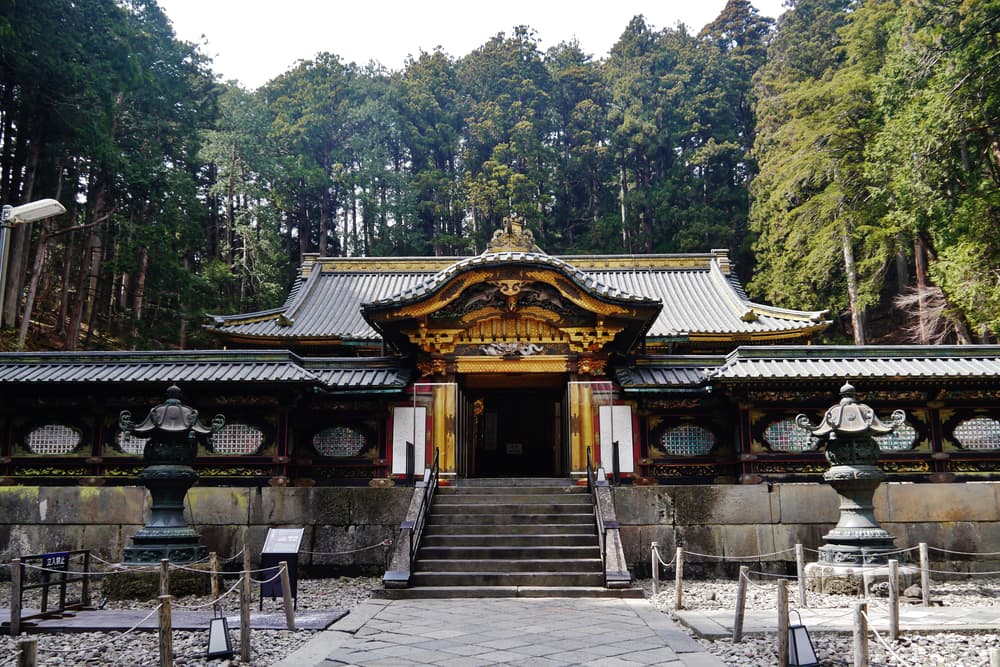 #3 · Private tour from US$475 per group
 A private car and driver for your group: Toshogu, Rinno-ji, Shinkyo, Tamozawa Villa, Kegon Falls and the lake, in the order you choose.
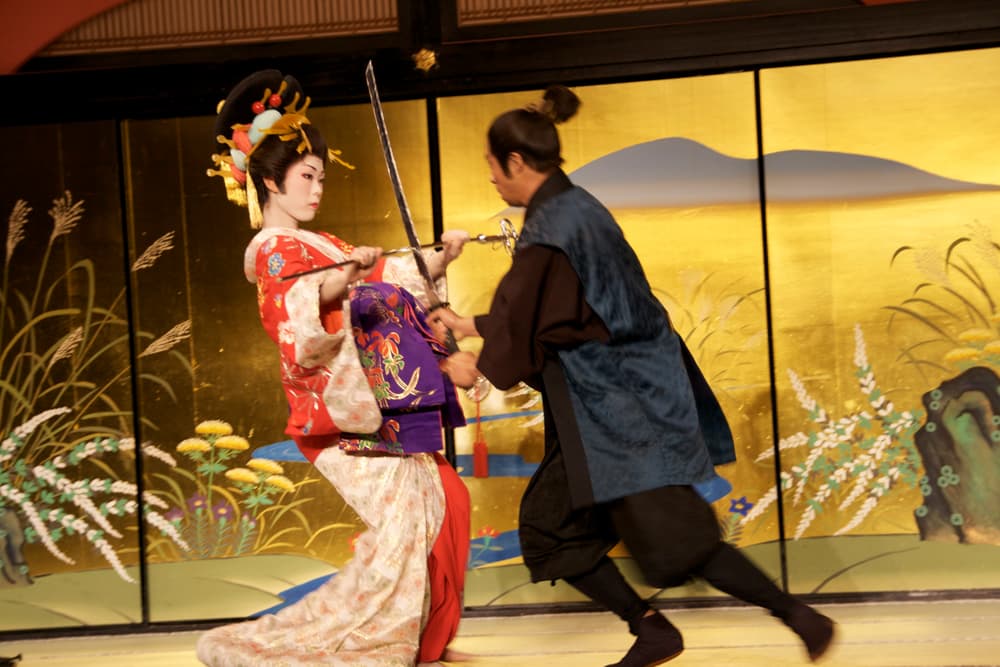 #4 · Ticket from US$35
 A day pass to the Edo-period theme park near Kinugawa: ninja shows, samurai streets, costumes and hands-on workshops.
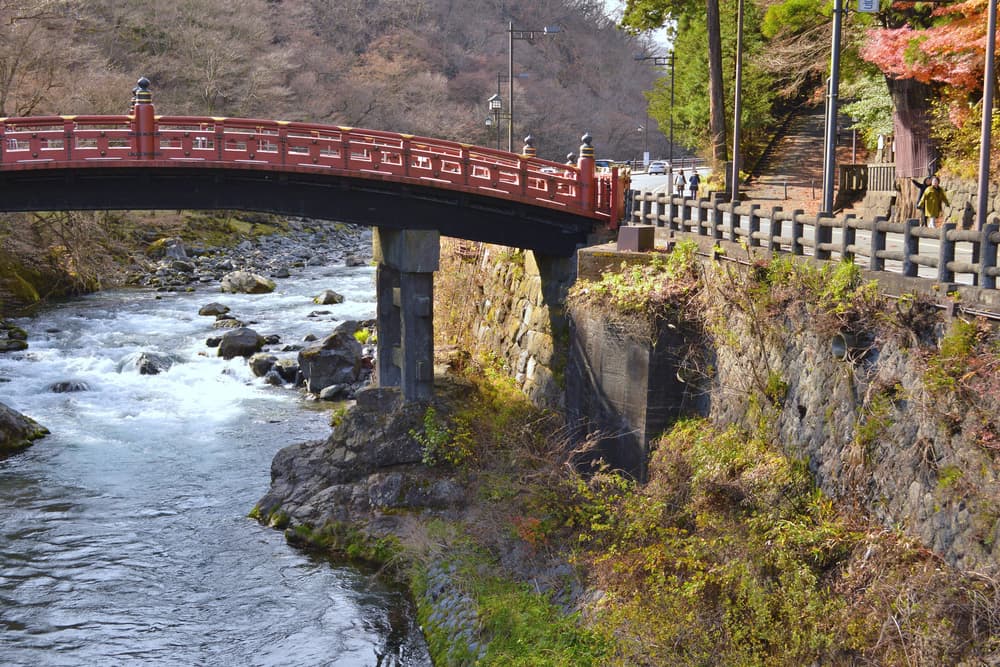 #5 · Day trip from US$91
 A bus tour to Toshogu, Lake Chuzenji and Kegon Falls in Nikko National Park, with an optional lunch.
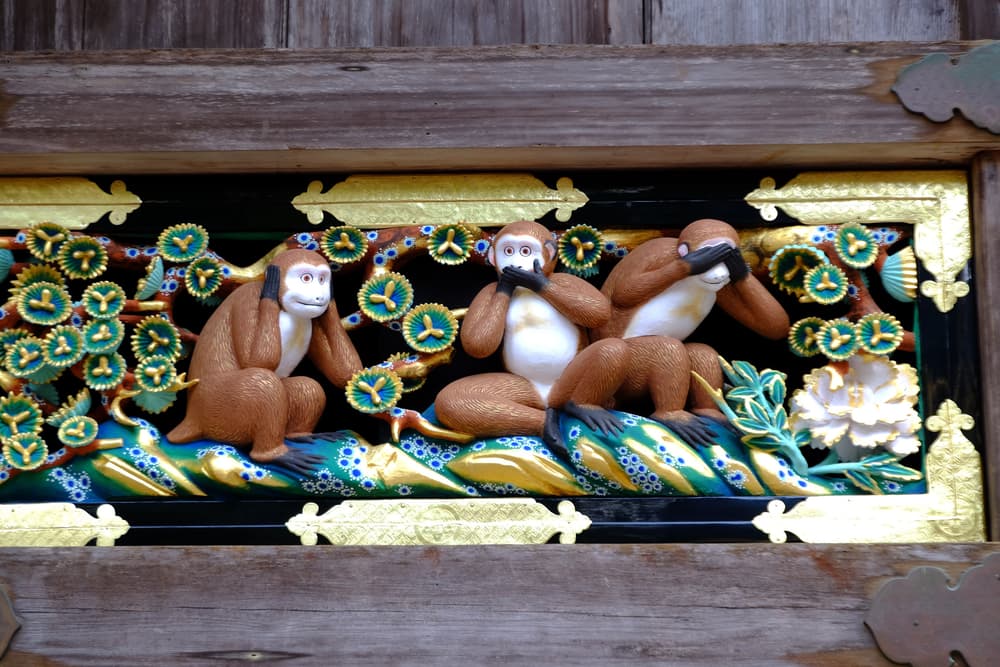 #6 · Ticket from US$10
 Pre-paid admission to Toshogu Shrine, exchanged at Tobu-Nikko station before you walk or bus up to the precinct.
Altitude runs from 20 m to over 2,400 m, so the seasons arrive at different times in different places.
Strawberry picking, cherry blossom from early April on the plain, Ashikaga’s wisteria around late April to early May and Nasu’s azaleas in late May.
Hot and humid in the cities, but Oku-Nikko and Nasu stay around 20–25°C: hiking, lake cruises and highland farms.
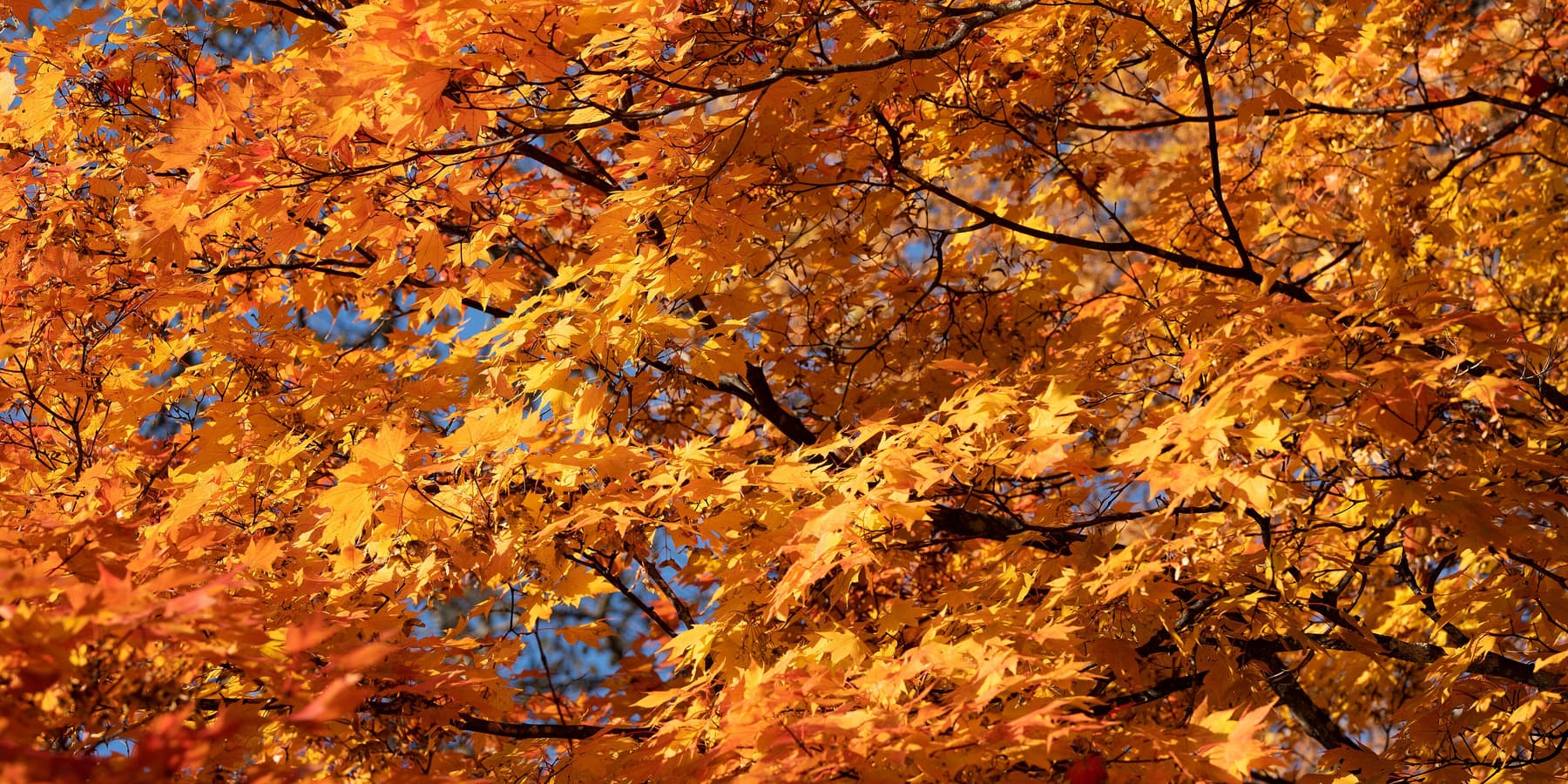
The headline season. Colour starts in Oku-Nikko in early October and reaches Nikko’s shrines and the gorges by early to mid November.
Snowy onsen, frozen waterfalls, Ashikaga’s illuminations, the Yunishigawa snow-hut festival and the start of strawberry season.
From a single day out of Tokyo to five days around the prefecture.
Classic resort hotels, riverside ryokan and practical city hotels — a few favourites from different areas.
Japan’s oldest surviving resort hotel, opened in 1873, on the hill above Shinkyo Bridge and a short walk from the shrines.
A lodge-style classic among the trees on Lake Chuzenji’s shore, sister to the Nikko Kanaya Hotel.
A long-established Kinugawa landmark with a large rooftop open-air bath over the gorge.
A refined onsen ryokan high in Nasu, close to Nasu Yumoto, with open-air baths.
A stylish newer hotel near JR Utsunomiya station with a rooftop sky spa.
A small, highly rated ryokan at Shionoyu, in a secluded side valley of Shiobara.
Yes. Nikko alone is one of the most rewarding trips from Tokyo, and the rest of the prefecture adds hot springs, mountain scenery, flower parks and good regional food with far fewer crowds than Kyoto or Hakone.
Nikko’s shrines, Utsunomiya, Ashikaga, Sano and Tochigi City all work as day trips. Lake Chuzenji can be added to Nikko in one long day, most comfortably on a guided tour. Nasu, Shiobara and Oku-Nikko are better with a night.
For Nikko and Kinugawa, take a Tobu limited express from Asakusa (about 1 hr 50 min) or the JR–Tobu direct train from Shinjuku. For Utsunomiya and Nasu, take the Tohoku Shinkansen from Tokyo or Ueno. See our Getting There page.
Mid-October to mid-November for autumn colour, and late April to mid-May for wisteria and fresh green. Summer is ideal for the highlands; winter for onsen and illuminations.
Not for Nikko, Kinugawa, Utsunomiya or Ashikaga, which have good trains and buses. A car is a real advantage in Nasu, Shiobara, Mashiko and Motegi, where sights are spread out.
Utsunomiya gyoza, Nikko yuba (tofu skin), soba, Sano ramen, Tochiotome and Skyberry strawberries, Nasu dairy and beef, and local sake.
Nikko’s World Heritage shrines, Lake Chuzenji, Ashikaga’s wisteria and the Nasu highlands are all an easy trip from the capital. Compare tours and tickets and book in a couple of taps.