Why visit Nikko
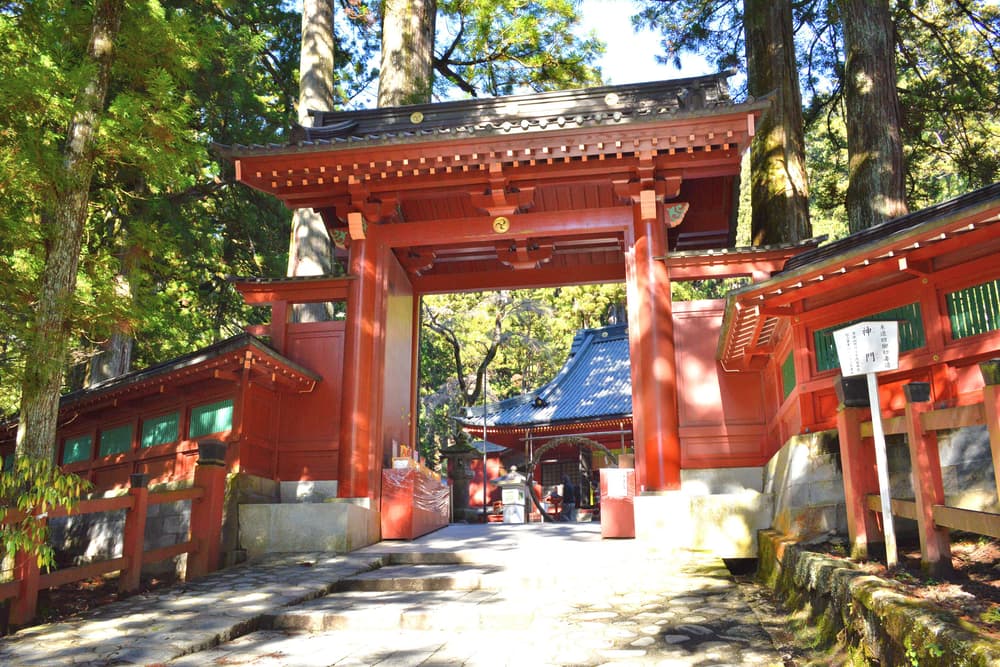
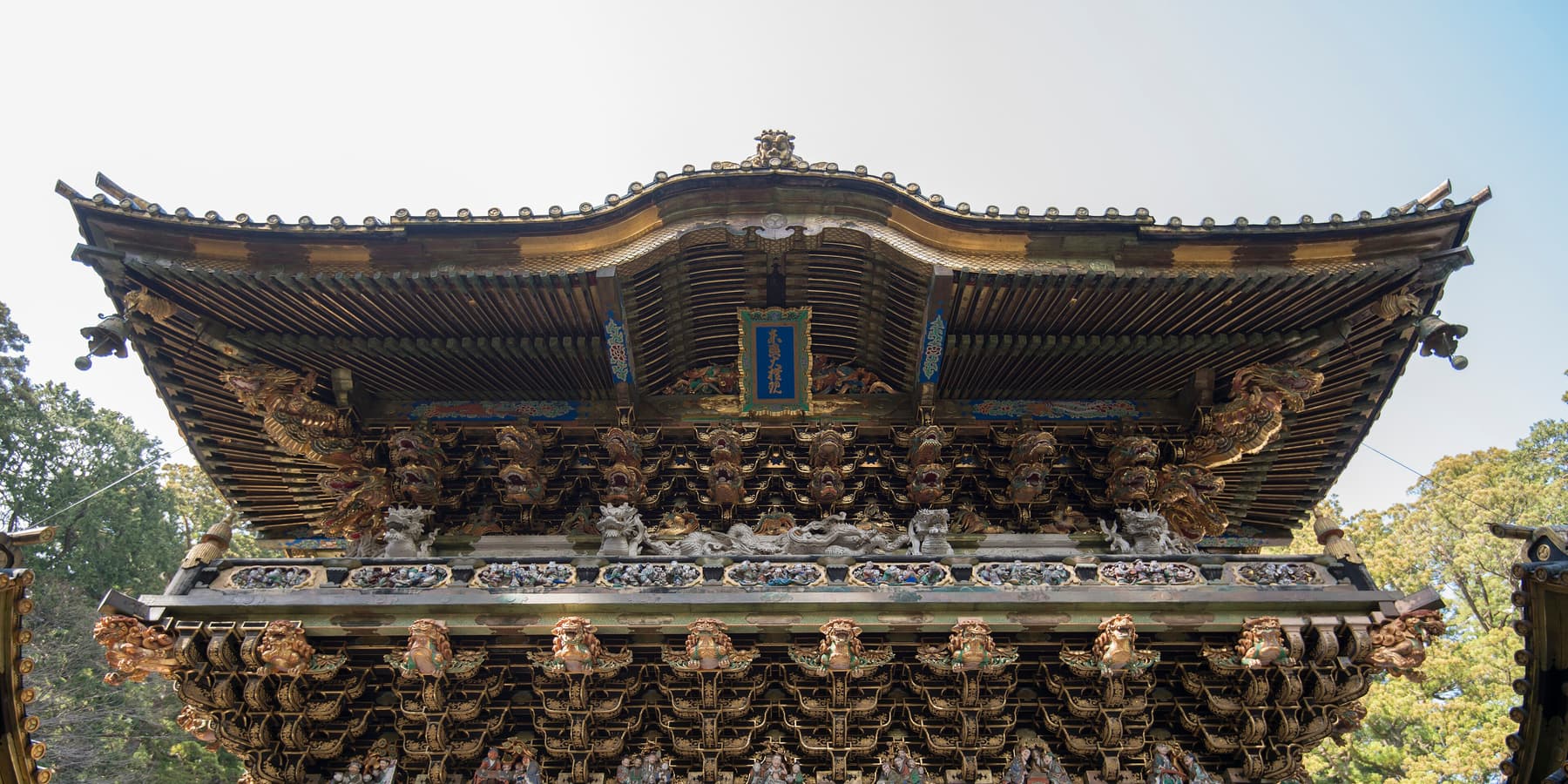
Nikko has been a sacred mountain since the priest Shodo Shonin founded a temple here in 766. It became famous in 1617, when Tokugawa Ieyasu — the warlord who unified Japan — was enshrined at Toshogu. His grandson Iemitsu rebuilt the shrine in 1636 with a lavishness seen nowhere else in the country: carved dragons, gold leaf, lacquer and more than five thousand sculptures.
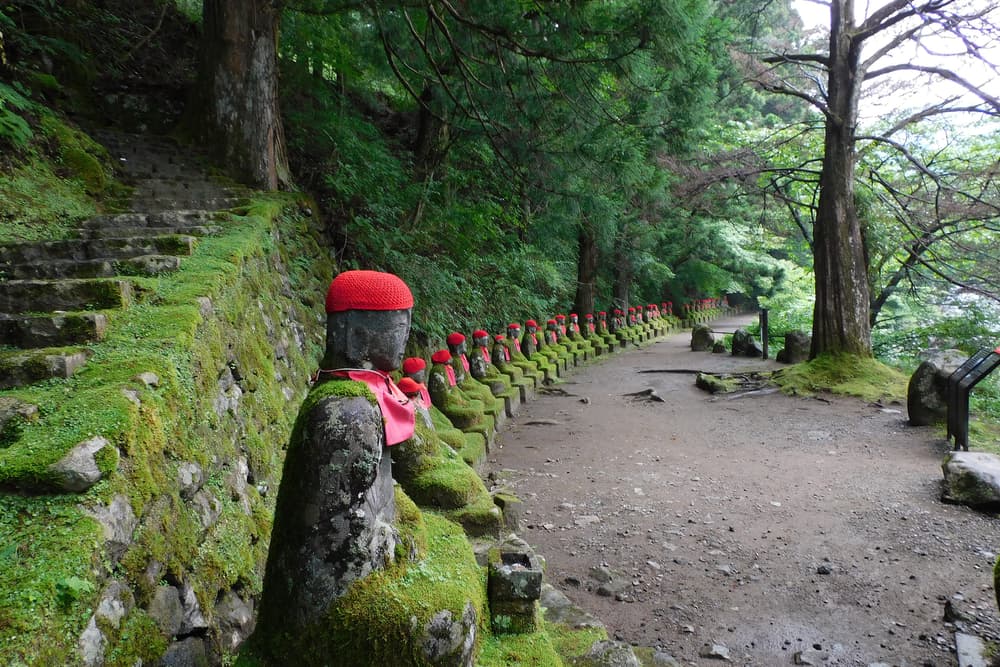
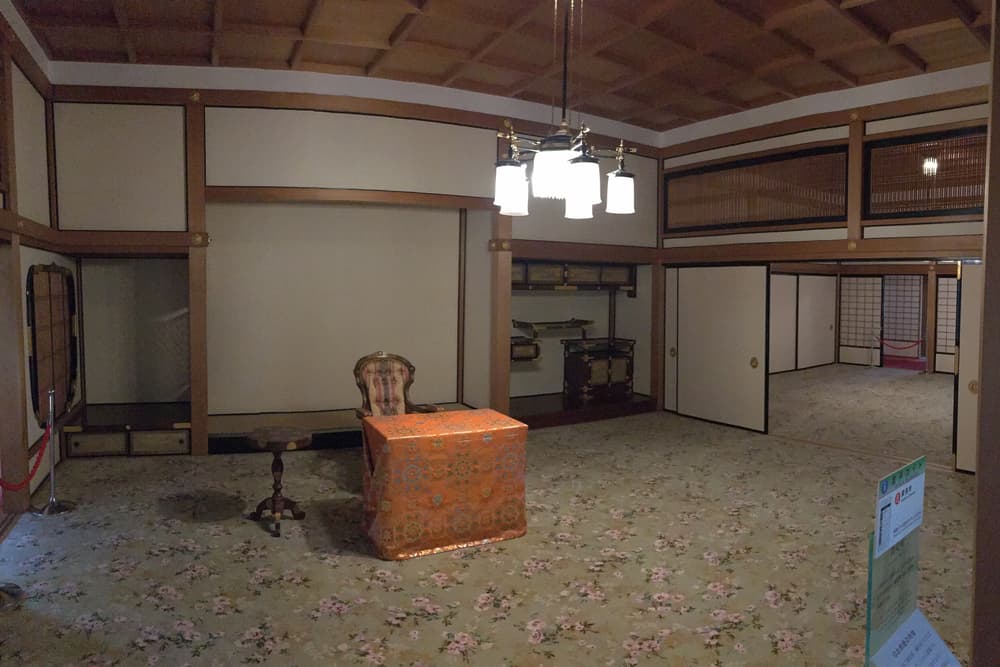
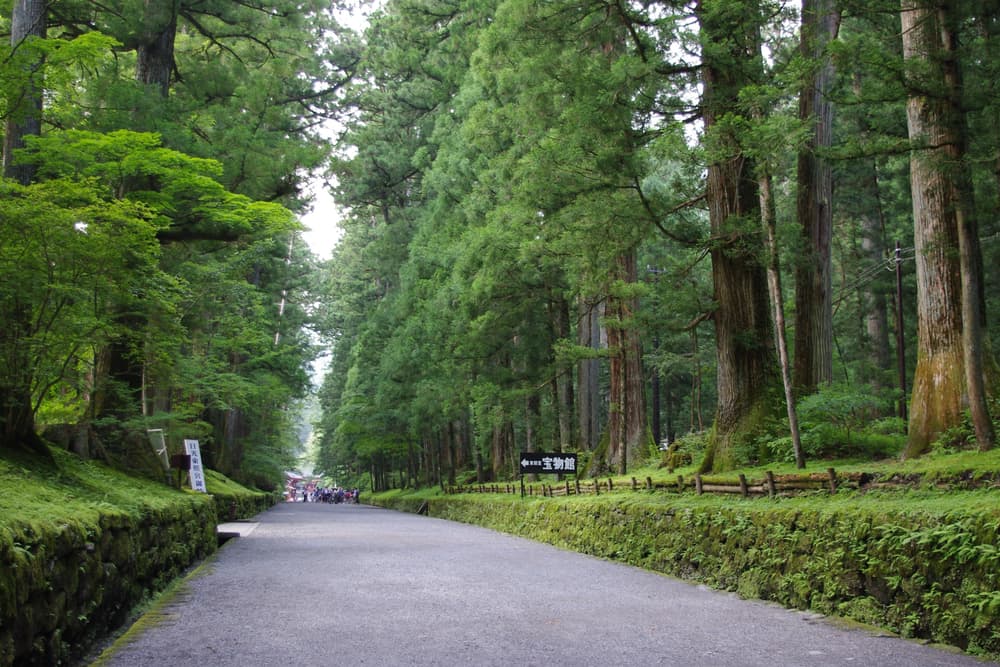
Today 103 buildings of Toshogu, Futarasan Shrine and Rinno-ji temple, together with their forest setting, form the UNESCO World Heritage site “Shrines and Temples of Nikko”, inscribed in 1999. The whole precinct can be walked in half a day, and the town below it adds an imperial villa, a riverside gorge lined with stone Jizo and one of Japan’s great classic hotels.
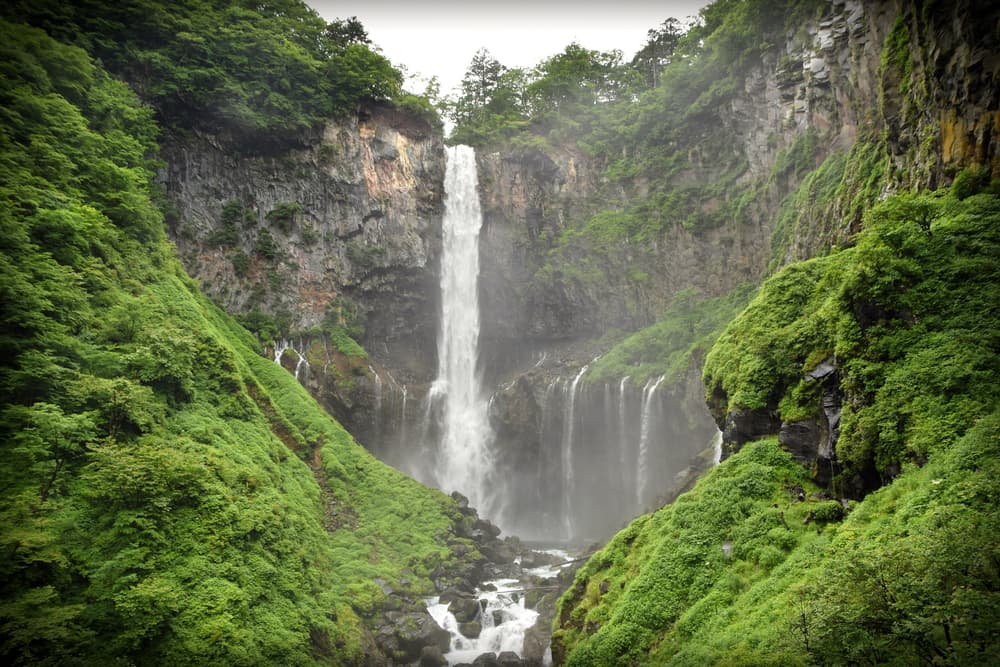
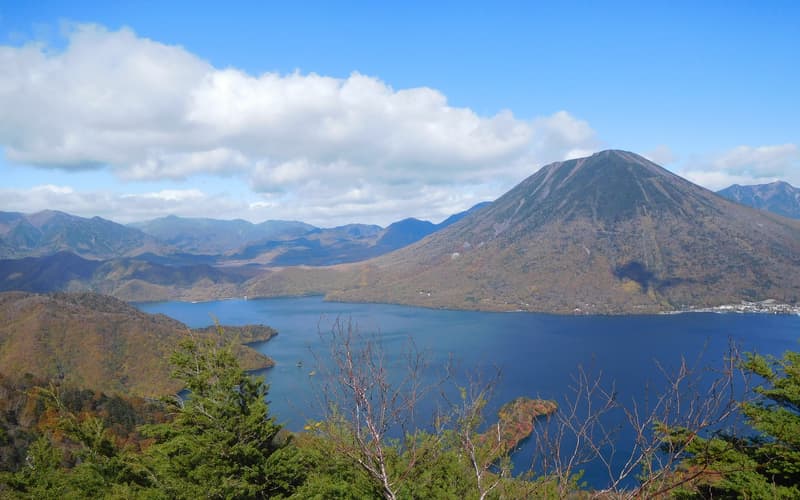
Nikko is also the gateway to Oku-Nikko — Lake Chuzenji and Kegon Falls, 50 minutes up the mountain by bus — and a short train ride from Kinugawa Onsen.
How long to stay
One full day covers the shrines and temples comfortably. Stay a night if you can: the precincts are at their best before 9:30 and after 15:30, when the day-trippers have gone, and a second day lets you go up to the lake.
Where to base yourself
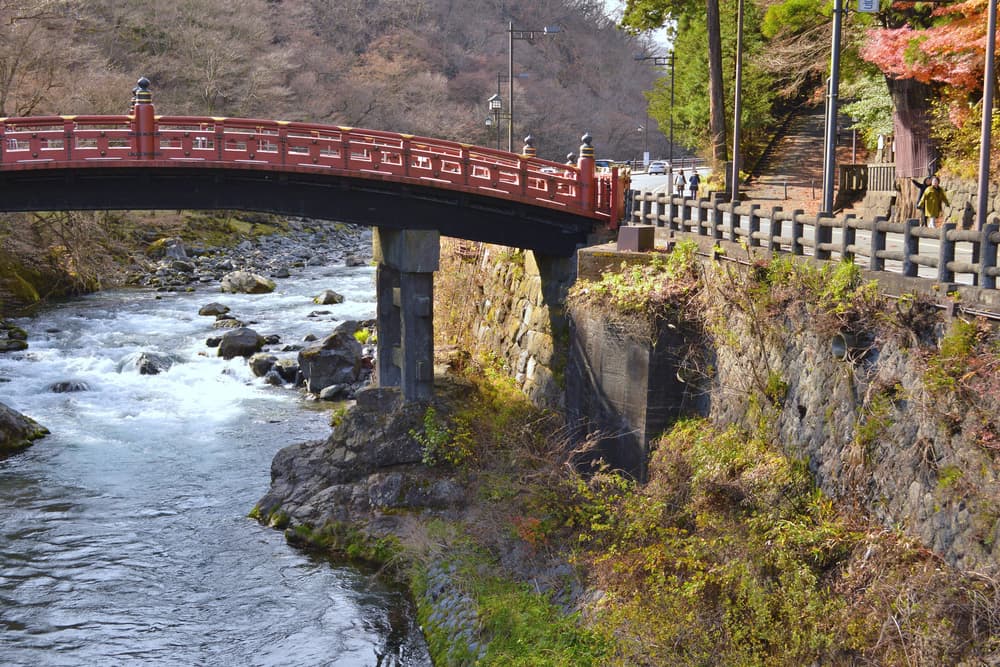
Hotels cluster in three places: around the two railway stations (practical, cheaper), along the main street up to Shinkyo Bridge, and in the quiet streets west of the shrines. The stations are about 2 km downhill from the shrine area; buses run every few minutes.
Nikko highlights
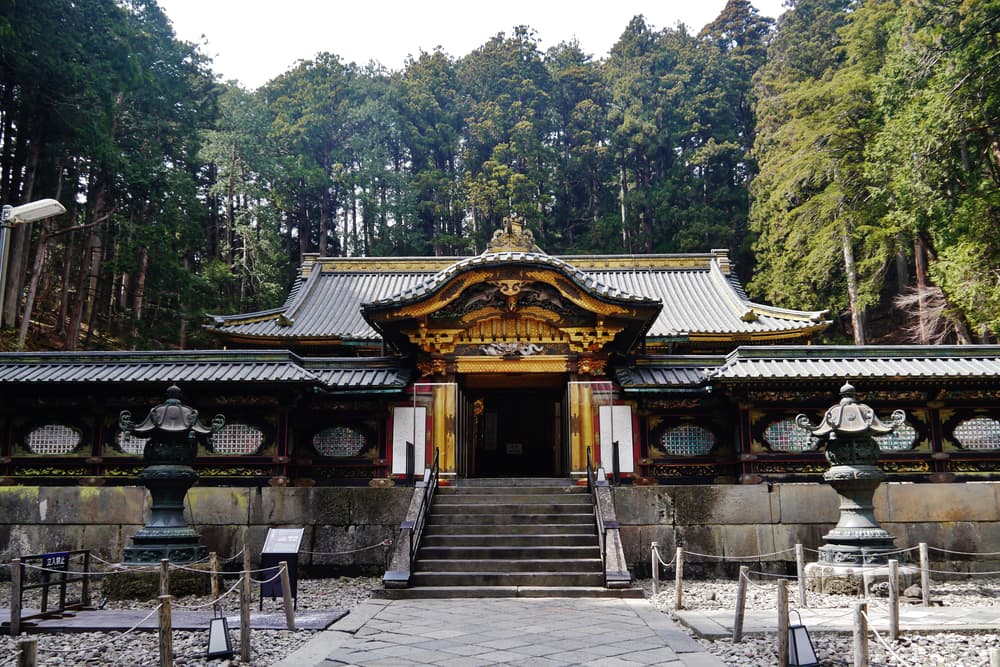
- Toshogu Shrine and its Yomeimon gate, covered in more than 500 carvings
- The three wise monkeys and the sleeping cat
- Taiyuin, the quieter and arguably more elegant mausoleum of Iemitsu
- Shinkyo, the vermilion sacred bridge
- The moss-covered Jizo statues of Kanmangafuchi
- Yuba (tofu skin) cuisine and a coffee at the Kanaya Hotel