Areas to stay
- Station area — best value, easiest for early trains and buses to the lake.
- Main street and Shinkyo — walkable to the shrines, restaurants and the historic Kanaya Hotel.
- West of the shrines — quiet ryokan and small hotels near Tamozawa and Kanmangafuchi.
What to eat
Yuba is the local speciality: the skin that forms on simmering soy milk, eaten fresh like sashimi, rolled and simmered, deep-fried or over soba. Many restaurants near the shrines serve yuba set lunches. Also look for handmade soba, yokan (sweet bean jelly), and in summer kakigori made from natural ice cut from mountain ponds.
Restaurants close early — many by 19:00 or 20:00 — so eat before you are hungry, or book dinner at your hotel.
Passes and savings
- Tobu’s Nikko Pass (World Heritage Area or All Area) if you come from Asakusa.
- A World Heritage loop bus pass if you only need the shrine area.
- Combined tickets for Rinno-ji’s Sanbutsudo and Taiyuin.
One day in Nikko
- 8:00–10:00 — train from Tokyo; bus to Shinkyo.
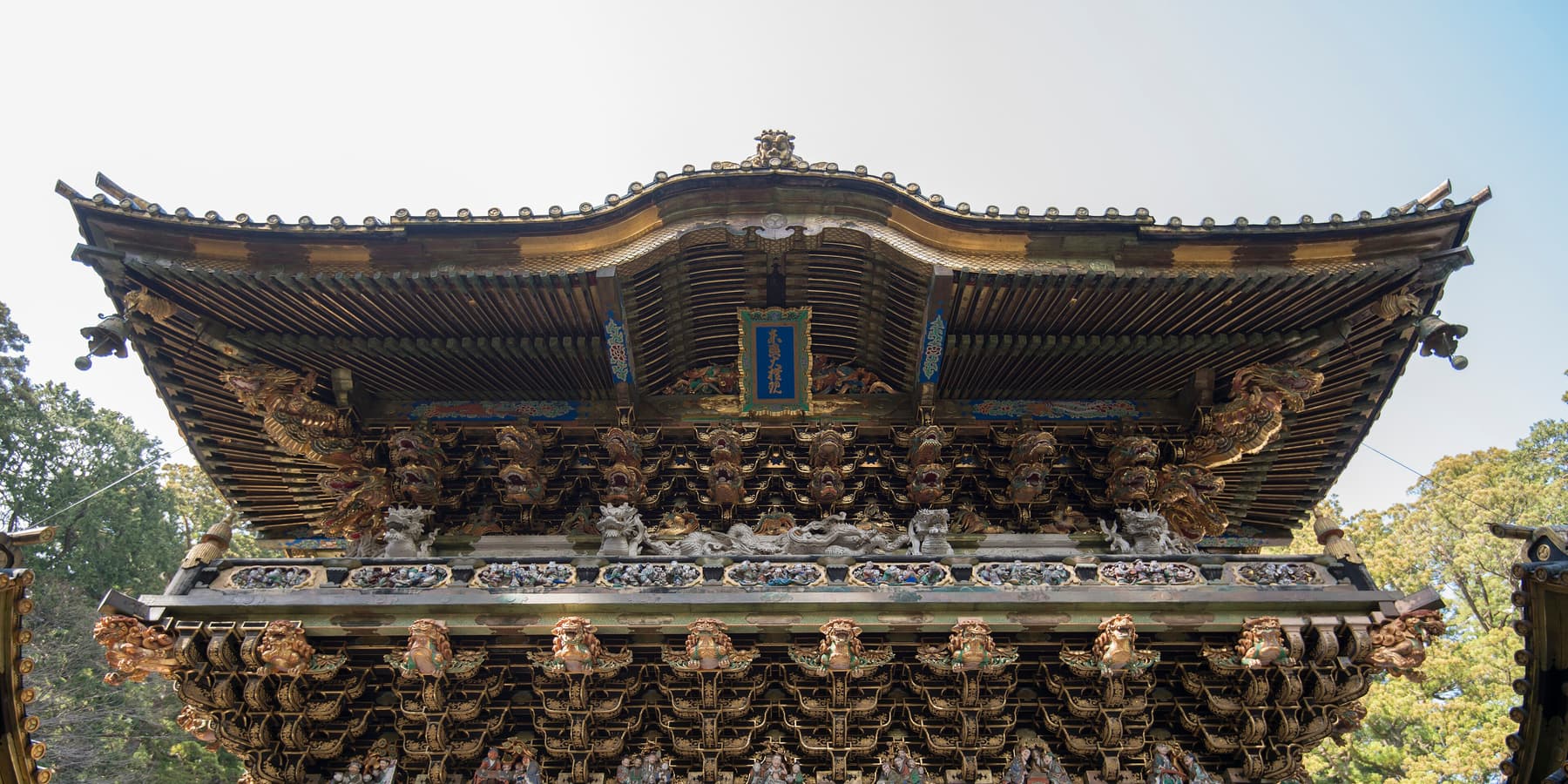
- 10:00–12:30 — Rinno-ji and Toshogu Shrine.
- 12:30 — yuba lunch.
- 13:30–15:00 — Futarasan Shrine and Taiyuin.
- 15:00–16:30 — Tamozawa Villa or Kanmangafuchi; bus to the station.
Two days
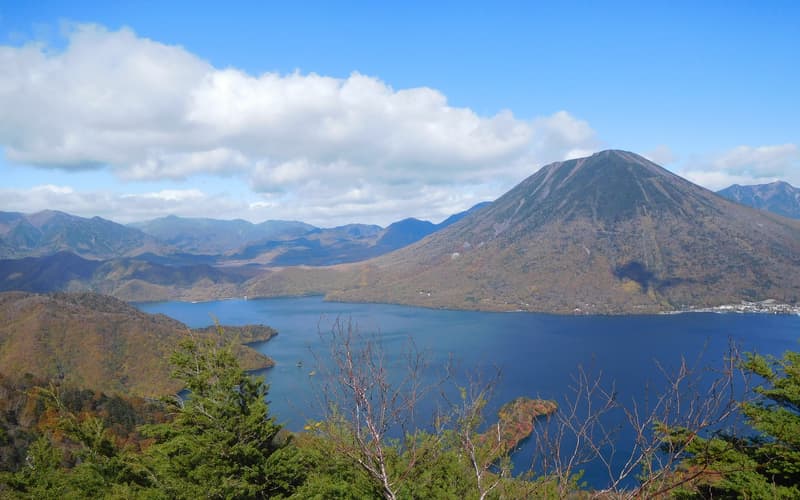
Spend day one as above and day two in Oku-Nikko: first bus to Kegon Falls, Lake Chuzenji, then Ryuzu Falls or Senjogahara, returning mid-afternoon.
Safety and good manners
Stone steps are slippery when wet or icy. Wild monkeys in the hills steal food — keep bags closed. No photography inside the shrine halls.
Nikko: FAQs
Is one day enough for Nikko?
Yes for the shrines and temples. To add Lake Chuzenji and Kegon Falls without rushing, stay overnight or join a guided day tour.
How much does it cost to see the shrines?
Budget roughly ¥3,000–4,000 per adult for Toshogu, Rinno-ji and Taiyuin together. Futarasan’s grounds and Kanmangafuchi are free.
Is Nikko walkable?
The shrine area is entirely on foot, with slopes and steps. From the stations it is a 25–30 minute uphill walk or a 10-minute bus ride.
Can I visit Nikko with luggage?
Yes — use the coin lockers or luggage service at Tobu-Nikko station. Avoid taking suitcases on the shrine paths.
Are the shrines open in winter?
Yes, year-round, closing an hour earlier from November to March.