Ramen tips
- Go at 11:00 or after 13:30 to avoid queues at the best-known shops.
- Look for “aotake-uchi” (青竹打ち) on the sign — it means the noodles are bamboo-rolled.
- Many shops are scattered along main roads rather than near the station; a taxi between two or three is not expensive.
- Order gyoza to share: they are much larger than Utsunomiya’s.
Outlet shopping
- Many shops offer tax-free purchases to overseas visitors — bring your passport.
- Pick up a coupon sheet for foreign visitors at the information centre.
- Coin lockers and a parcel delivery counter are available.
- Weekday mornings are calmest.
Other local food
Imo-furai — steamed potato on a skewer, breaded, fried and dipped in a sweetish sauce — is the local street snack. Sano also makes its own black karinto sweets and “mimi udon”, ear-shaped dumplings eaten at New Year.
One day: Sano and Ashikaga
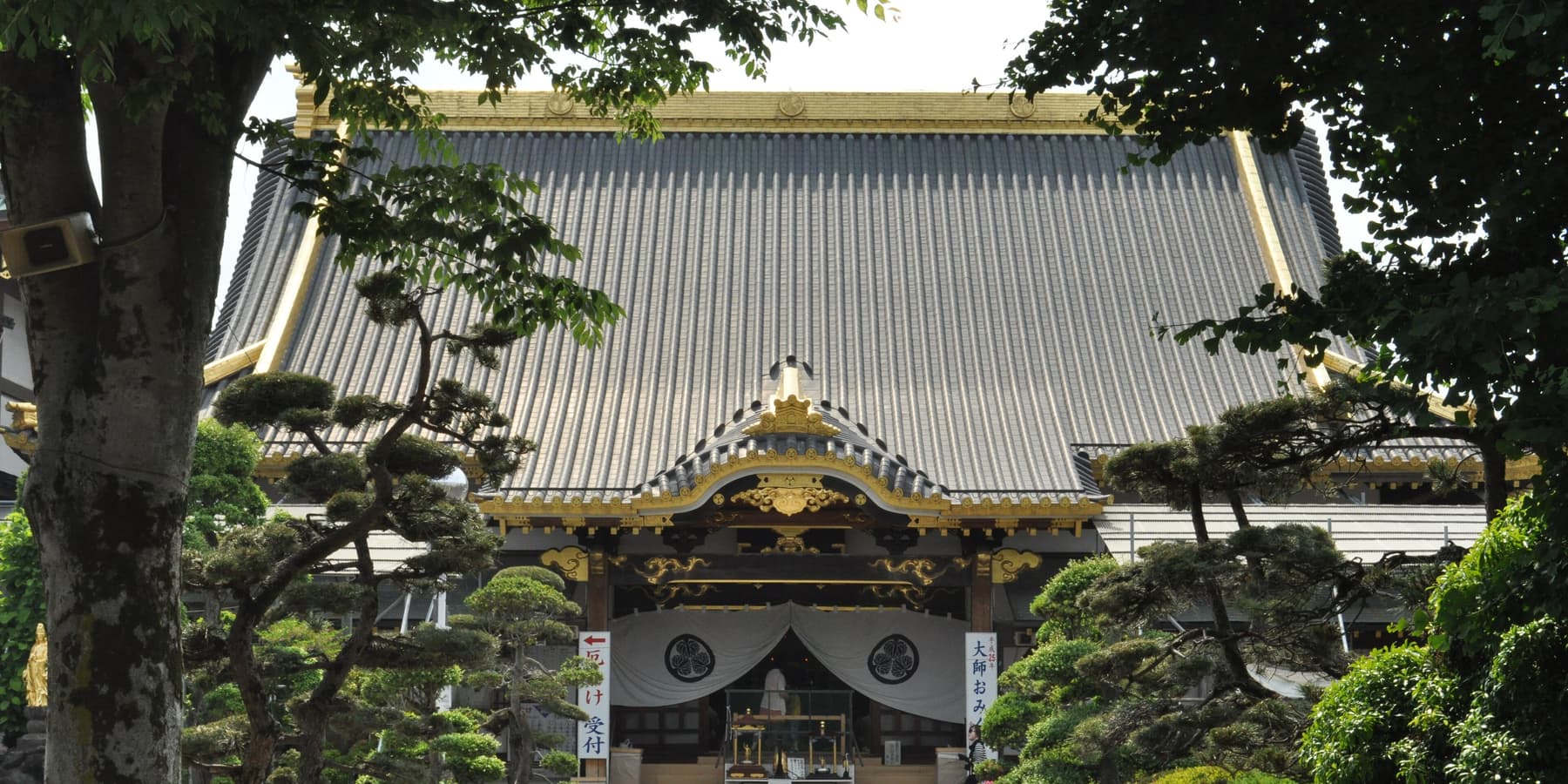
- Morning train to Sano; walk to Yakuyoke Daishi.
- Early ramen lunch.
- Loop bus to the outlets for two hours’ shopping.
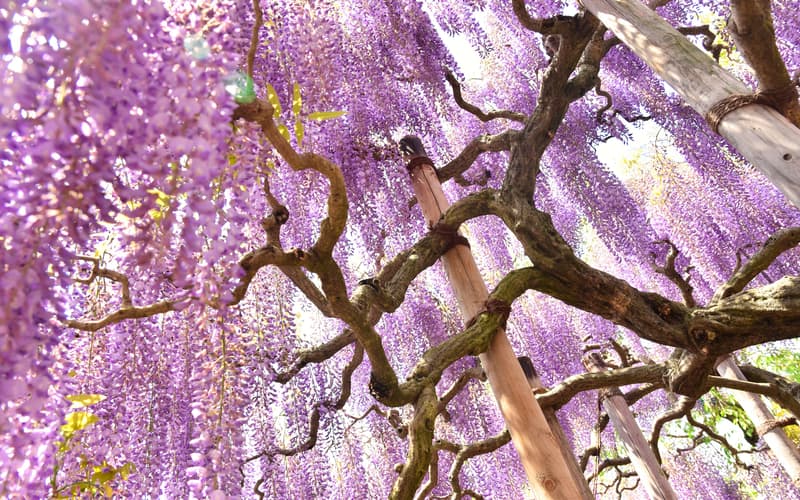
- Train to Ashikaga Flower Park for dusk.
- Return to Tokyo via Oyama.
Sano: FAQs
How do I get to Sano Premium Outlets without a car?
Take the JR highway bus from Shinjuku or Tokyo station to the Sano Shintoshi bus terminal (about 90 minutes), or a train to Sano station and the local bus.
What makes Sano ramen different?
Its bamboo-rolled noodles — flat, soft and uneven — and a clear, delicate soy broth. It is lighter than most ramen styles.
What is “yakuyoke”?
A Buddhist prayer rite to ward off bad luck. Certain ages are traditionally considered unlucky in Japan, and many people visit a temple such as Sano Yakuyoke Daishi in those years, usually in January.
Is Sano worth visiting if I do not want to shop?
For ramen, the temple and Karasawayama, yes — as a half-day combined with Ashikaga or Tochigi City.