Choosing a hot-spring area
- Fukuwata — at the lower end, by the gorge trail and riverside open-air baths.
- Shiogama, Monzen, Furumachi — the centre, near the bus terminal and shops.
- Moto-yu, Shin-yu, Oku-Shiobara — remote, strongly mineral springs for onsen enthusiasts.
What to eat
The local oddity is soup-iri yakisoba — fried noodles served in a soy-based broth — at a couple of long-running diners. Try toteyaki, a rolled, trumpet-shaped pancake with sweet or savoury fillings, plus river fish, mountain vegetables and Nasu dairy.
Money-saving tips
- JR passes cover both the shinkansen and the JR bus.
- A local bath-hopping pass gives entry to several ryokan baths.
- Free foot baths at Nanatsuiwa and elsewhere.
One night in Shiobara
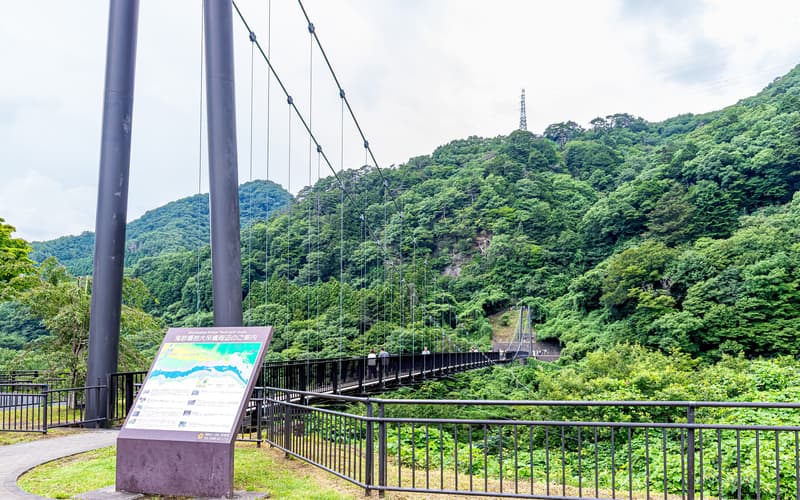
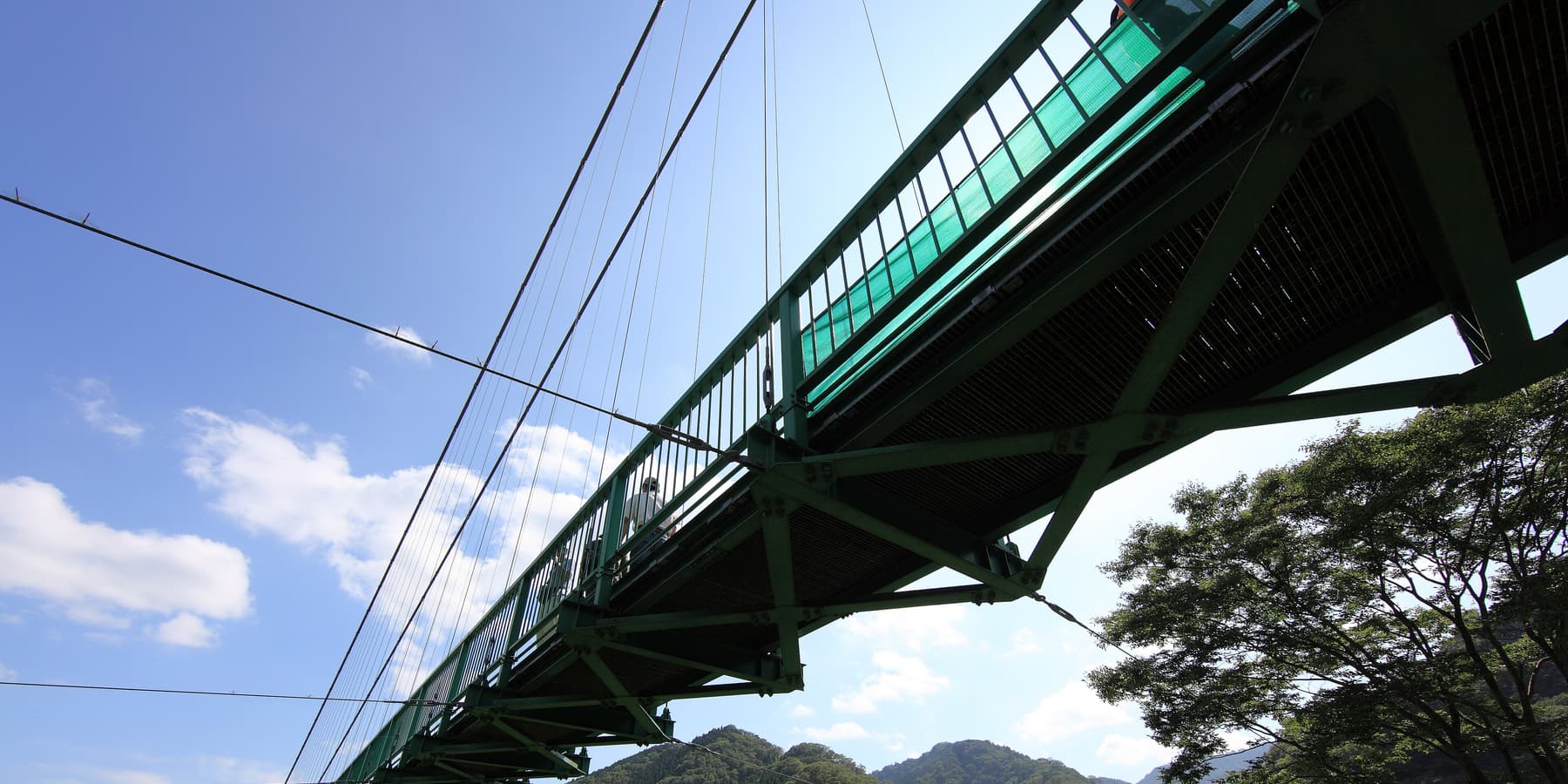
- Late-morning bus from Nasushiobara; get off at Momijidani bridge.
- Next bus to Fukuwata; walk the gorge trail into town (2–3 hours).
- Check in, bathe, dinner at the ryokan.
- Morning: Yuppo-no-Sato and a stroll, then the bus down.
Good to know
Some riverside open-air baths are mixed-gender and open to view; check before you go. The gorge trail has uneven sections and can be slippery after rain. Evenings are very quiet — bring a book.
Shiobara Onsen: FAQs
Shiobara, Kinugawa or Nasu: which onsen should I choose?
Shiobara for a traditional, quiet valley and walking; Kinugawa for big ryokan and theme parks close to Nikko; Nasu for mountain scenery and family attractions.
Can I visit Shiobara as a day trip from Tokyo?
Yes, with an early start: the bridge, part of the gorge trail and a day bath fit into about five hours in the valley. A night is much more relaxing.
Is Shiobara accessible without a car?
Yes for the main valley, using the JR bus. A car is only needed for the outlying springs and Hunter Mountain.