Areas to stay
- JR station (west and east exits) — modern hotels, gyoza shops, fastest connections.
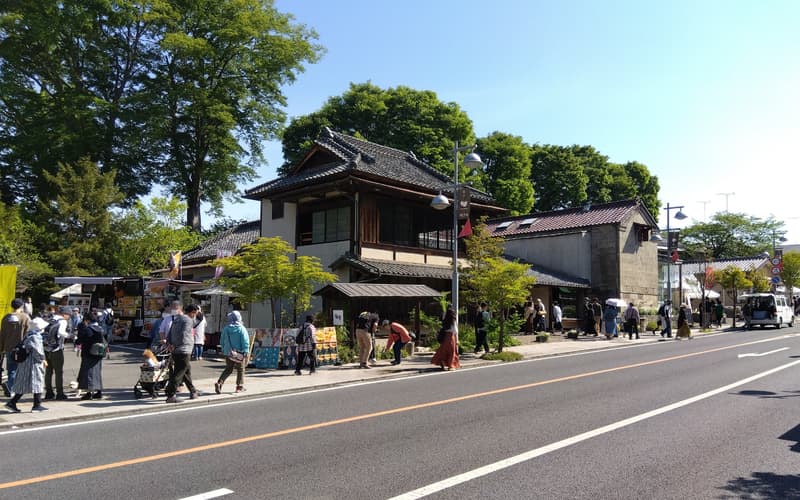
- Downtown / Tobu station — shopping arcade, bars, shrine; 5 minutes by bus from JR.
How to eat gyoza here
- Yaki is pan-fried, sui boiled in broth, age deep-fried. Order a plate of each.
- Traditional shops serve only gyoza, rice and beer — no ramen, no side dishes.
- Fillings lean towards cabbage and Chinese chives rather than meat, so they are lighter than you expect.
- Frozen and take-away boxes are sold at the station for the journey home.
Beyond gyoza
Look for strawberries and strawberry sweets in season, local sake, craft beer, and “lemon milk”, a nostalgic sweet milk drink sold all over Tochigi. The cocktail bars are a genuine local point of pride.
Half a day
- Arrive by 10:00; bus to the Oya History Museum.
- Walk to Oya-ji and the Heiwa Kannon.
- Bus back for a late gyoza lunch near the station.
- Continue to Nikko or return to Tokyo.
As a base
Hotels here cost much less than in Nikko in peak season. From Utsunomiya you can day-trip to Nikko, Mashiko, Nasu and Tochigi City and be back for cocktails.
Utsunomiya: FAQs
Is Utsunomiya worth a stop?
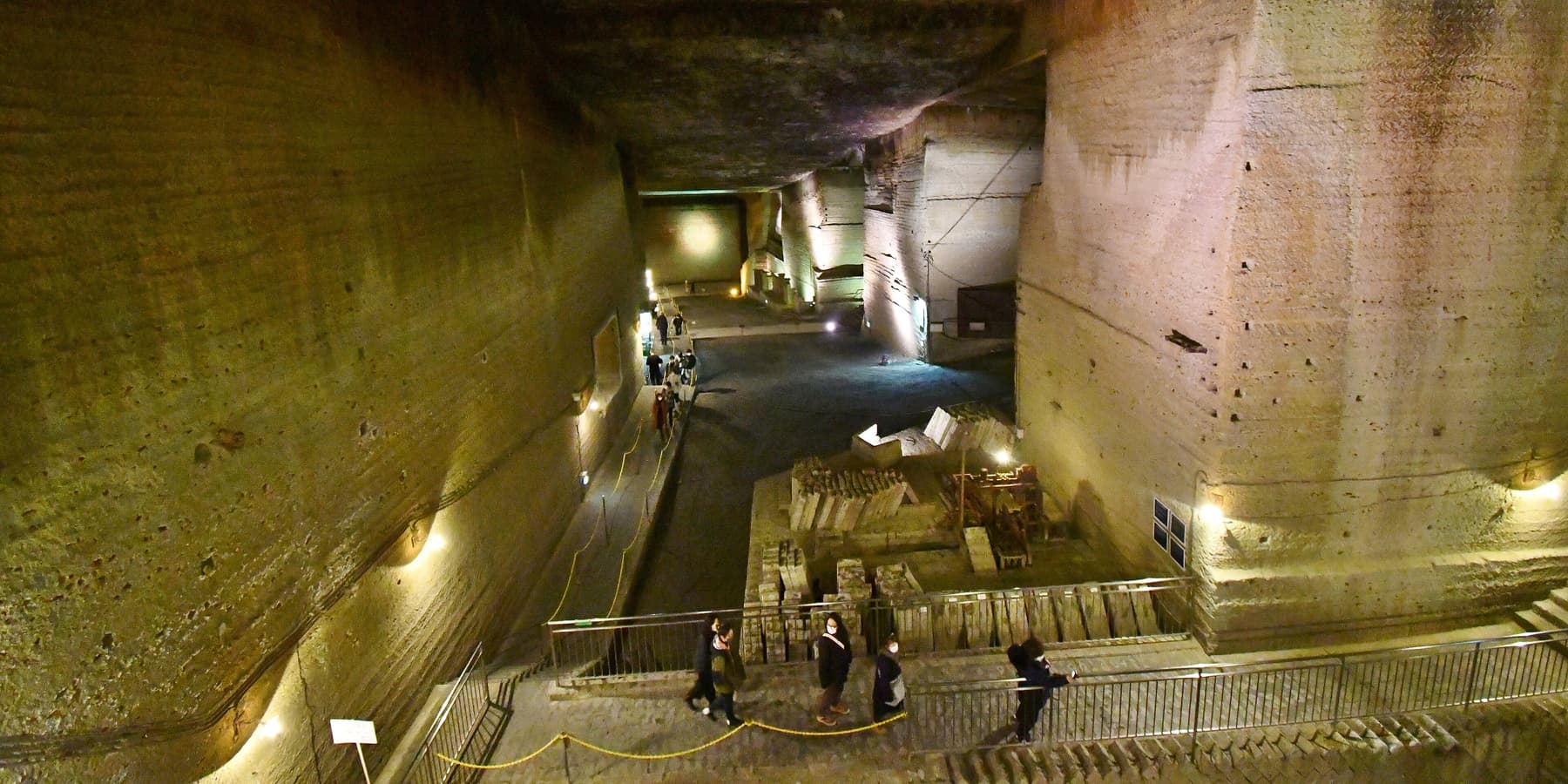
Yes, for two or three hours at least. The Oya quarry is unlike anything else near Tokyo, and gyoza make an easy, inexpensive lunch.
Which gyoza shop is best?
Minmin and Masashi are the famous rivals and both are good. If queues are long, the Kirasse gyoza hall offers several shops at once.
How cold is the Oya quarry?
It stays around 5–12°C depending on season — much colder than outside in summer. Bring a sweater or jacket.
Can I visit Oya on the way to Nikko?
Yes. Leave bags in a station locker, allow three hours for the round trip to Oya, then take the JR Nikko Line.